
.jpeg)
Comprehensive Guide to Using Capmatinib
Capmatinib (also known as Capatinib) is a targeted therapy drug targeting specific gene mutations in non-small cell lung cancer (NSCLC), namely METex14 skipping mutations. To ensure patients can use this drug safely and effectively, below is a comprehensive guide to the use of capmatinib.
1. Confirm indications and understand contraindications
Capmatinib is specifically indicated for the treatment of adult patients with NSCLC carryingMETex14 skipping mutations. Before taking medication, the patient's genetic test results must be verified and whether the patient is allergic or otherwise contraindicated to the drug ingredients to ensure the safety of the medication.
2. Follow medical instructions and dose control
The standard dosage regimen of capmatinib is 400 mg taken twice daily (i.e. two 200 mg tablets), and is not affected by diet. Patients should strictly follow the doctor's instructions, take the medication on time and in the right amount, and avoid adjusting the dosage or changing the medication time without permission. If you occasionally miss a dose or vomit, there is usually no need to take another dose, just continue taking the next dose as originally planned. For patients who need to adjust the dose, the decision should be made by the doctor based on the patient's specific situation.
3. Pay attention to the details of taking medicine
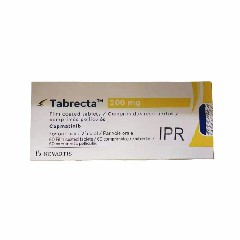
Capmatinib tablets should be swallowed whole and avoid crushing, splitting, or chewing to ensure complete release and absorption of the drug. When taking the medication, patients can choose to take it with food to help relieve stomach discomfort.
4. Pay close attention to side effects
During the use of capmatinib, patients should always pay attention to their body's reactions, especially common side effects such as swelling of hands and feet, nausea, fatigue, vomiting, and loss of appetite. For serious side effects, such as interstitial lung disease (ILD)/pneumonitis and liver damage, stop medication and seek medical attention immediately. At the same time, patients should regularly undergo relevant examinations, such as blood routine, liver function, etc., to evaluate the impact of drugs on the body.
5. Prevent photosensitivity reactions
Due to the risk of photosensitivity reactions with capmatinib, patients should avoid prolonged exposure to the sun during treatment and take necessary sun protection measures, such as using sunscreen or wearing protective clothing, to reduce ultraviolet exposure.
6. Medication recommendations for special groups of people
Special groups such as pregnant women, lactating women, the elderly and children should consult a doctor before using capmatinib and adjust the medication plan according to their individual conditions. Pregnant women, in particular, should avoid the use of capmatinib to prevent potential harm to the fetus.
7. Storage and handling of drugs
Capmatinib should be kept in its original packaging and placedStore in a dry environment between 20°C and 25°C (68°F and 77°F), away from moisture and high temperatures. All remaining unused tablets should be discarded 6 weeks after the vial is first opened to ensure the safety of the medication.
In short, the correct use of capmatinib is of great significance for the treatment of NSCLC patients. Patients should fully understand the indications, usage and dosage, side effects and other information of the drug, and conduct standardized treatment under the guidance of a doctor to ensure the treatment effect and reduce the occurrence of side effects.
[ 免责声明 ] 本页面内容来自公开渠道(如FDA官网、Drugs官网、原研药厂官网等),仅供持有医疗专业资质的人员用于医学药学研究参考,不构成任何治疗建议或药品推荐。所涉药品可能未在中国大陆获批上市,不适用于中国境内销售和使用。如需治疗,请咨询正规医疗机构。本站不提供药品销售或代购服务。


