
.jpeg)
Dasatinib in core-binding factor acute myeloid leukemia: a promising therapeutic approach
A published studyReal-world outcomes for 200 core-binding factor acute myeloid leukemia (CBF-AML) patients treated between 2010 and 2023. Benefits of adding a KIT inhibitor (dasatinib or midostaruin) to intensive chemotherapy for CBF-AML. Tyrosine kinase inhibitors (TKIs), especially dasatinib, have recently attracted interest in AML after their remarkable success in other hematological lymphoid neoplasms, including CML and Ph+ acute lymphoblastic leukemia [ALL]. Dasatinib, a multikinase inhibitor active against KIT and SRC activating proteins, recently showed benefit in two additional phase II studies in CBF AML.
In this study, the response rate of 21 CBF-AML patients who received 14 days of KIT inhibitor treatment (most received dasatinib) and induction chemotherapy was significantly improved (95% vs. 83%, p=0.01) compared with patients who did not receive KIT inhibitor treatment during the induction period. Subsequently, patients continued to receive KIT inhibitors during the consolidation phase, followed by 1 year of maintenance therapy. The survival rates of these patients in the study were staggering, with 3-year event-free survival (EFS) and overall survival (OS) rates of 85% and 95%, respectively. These results are similar to, or even slightly better than, the 90% response rate and 77% 3-year OS reported by the group with dasatinib in CBF AML.
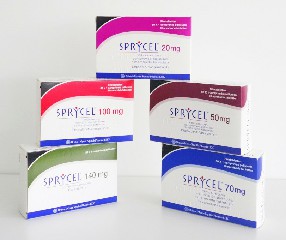
It is worth noting that in the study, only 6 of the 21 patients who received KIT inhibitors had KIT mutations. Dasatinib works primarily by inhibiting KIT kinase activity and is effective against mutations involving activating or juxtamembrane loops, which are common in AML. However, several studies, including the present study, have shown that dasatinib is effective in CBF-AML regardless of KIT status, emphasizing mechanisms of action other than KIT inhibition. One reason may be that dasatinib can enhance the sensitivity of blast cells to cytotoxic drugs and can induce AML cell differentiation, both of which can occur regardless of kit status. Furthermore, KIT is known to be highly expressed in CBF-AML blasts regardless of mutational status.
The study included patients who had been treated for more than13 years. Based on experience and existing literature, KIT is highly prognostic in this subgroup of CBF-AML, especially when the exon 17 region is involved. Therefore, this in itself cannot be the reason for the lack of prognostic effect of KIT found in this study, but rather that a small number of patients (one-third did not undergo next-generation sequencing [NGS]) or the addition of a KIT inhibitor in these patients could eliminate the negative prognostic effect of KIT. Toxicity data regarding the use of dasatinib are not available, including information on dose adjustments of kit inhibitors or chemotherapy, which would be important if dasatinib is incorporated into routine clinical use.
In this context, it is noteworthy that in the AMLSG trial, 33 of 89 patients (37%) discontinued dasatinib due to adverse events. Finally, another important mutation known to co-occur with CBF-AML is the FLT3 mutation. Although FLT3 mutations themselves may constitute a high-risk group, the prognostic value of FLT3 mutations in CBF-AML remains to be fully elucidated. The current study did not find that FLT3 mutations affected outcome; however, a meta-analysis highlighted the heterogeneous prognostic impact of FLT3 mutations in CBF-AML. Whether TKIs such as dasatinib affect the prognosis of these patients requires larger studies.
In summary, dasatinib is a promising treatment for CBF-AML, showing efficacy regardless of KIT mutation status. The significant improvements in response rate and OS observed in the study underscore the potential of dasatinib to augment standard chemotherapy regimens. These findings are supported by previous phase II studies and suggest that dasatinib may play a crucial role in the treatment of CBF-AML. While awaiting the results of an ongoing phase III randomized trial (NCT02013648), it is imperative to consider dasatinib as a viable treatment option for patients with CBF-AML, potentially establishing a new standard of care and improving patient outcomes for this challenging subpopulation of AML.
[ 免责声明 ] 本页面内容来自公开渠道(如FDA官网、Drugs官网、原研药厂官网等),仅供持有医疗专业资质的人员用于医学药学研究参考,不构成任何治疗建议或药品推荐。所涉药品可能未在中国大陆获批上市,不适用于中国境内销售和使用。如需治疗,请咨询正规医疗机构。本站不提供药品销售或代购服务。


