
.jpeg)
What is the efficacy of erlotinib in treating liver metastases from lung cancer?
Lung cancer is a malignant tumor with high morbidity and mortality rates worldwide, and its treatment has always been the focus of the medical community. Liver metastasis of lung cancer is one of the common metastasis modes of late-stage lung cancer. At this time, the condition is quite complex and treatment becomes more difficult. Erlotinib, as a tyrosine kinase inhibitor (TKI) targeting epidermal growth factor receptor (EGFR), plays an important role in the treatment of lung cancer.
Erlotinib inhibits the tyrosine kinase activity of EGFR and blocks the EGFR signal transduction pathway, thereby inhibiting the proliferation, migration, angiogenesis and anti-apoptosis of tumor cells. In lung cancer liver metastasis, EGFR mutations are common molecular events, causing cancer cells to overproduce EGFR proteins and accelerate tumor growth. Erlotinib can specifically act on these mutated EGFRs and exert anti-tumor effects.
Multiple clinical studies have shown that erlotinib treatment can significantly prolong the survival of patients with lung cancer liver metastases. For example, in a phase III clinical trial, the progression-free survival (PFS) and overall survival (OS) of the erlotinib treatment group were significantly improved compared with standard chemotherapy. This shows that erlotinib has significant efficacy in controlling disease progression and delaying the risk of death.
Erlotinib treatment can also promote significant tumor shrinkage in some patients, even reaching the criteria of partial response (PR) or complete response (CR). This relief was not only reflected in the primary lung lesions, but also in the liver metastases. This means that erlotinib is also excellent at directly killing cancer cells and reducing tumor burden.
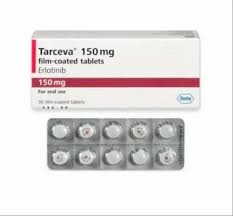
In addition to its objective effect on tumors, erlotinib can also effectively improve the symptoms of patients with lung cancer liver metastases, such as cough, chest pain, dyspnea, etc. Alleviation of these symptoms can help improve patients' quality of life and reduce the pain caused by the disease.
Although erlotinib has achieved remarkable results in the treatment of lung cancer liver metastases, EGFR mutations are an important predictor of erlotinib efficacy. In general, patients with EGFR sensitizing mutations, such as exon 19 deletion or exon 21 L858R mutation, have a higher response rate to erlotinib. Therefore, it is crucial to perform genetic testing to determine EGFR mutation status before treatment.
The degree of liver metastasis and liver function status also affect the efficacy of erlotinib. Patients with mild liver metastases and good liver function generally tolerate and respond better to treatment. Patients with severe liver metastases or impaired liver function may need to adjust their treatment plan to reduce treatment risks.
Erlotinib is often used in combination with other drugs or treatments to improve efficacy. A reasonable combination treatment regimen can fully exert the anti-tumor effect of erlotinib and reduce the incidence of adverse reactions. Therefore, the patient's specific condition and tolerance should be fully considered when formulating treatment plans.
As a targeted drug, erlotinib has relatively good safety and tolerability. Common adverse reactions include rash, diarrhea, nausea, etc., but most patients can tolerate and complete treatment. However, we still need to be alert to the serious adverse reactions that may occur in a small number of patients, such as interstitial pneumonia, liver failure, etc. During the treatment process, the patient's response should be closely monitored and the treatment plan adjusted in a timely manner to ensure safety and effectiveness.
[ 免责声明 ] 本页面内容来自公开渠道(如FDA官网、Drugs官网、原研药厂官网等),仅供持有医疗专业资质的人员用于医学药学研究参考,不构成任何治疗建议或药品推荐。所涉药品可能未在中国大陆获批上市,不适用于中国境内销售和使用。如需治疗,请咨询正规医疗机构。本站不提供药品销售或代购服务。


