
.jpeg)
Capmatinib Medication Guide Overview
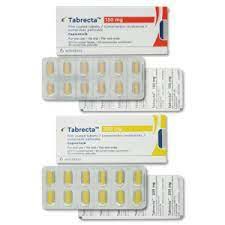
Capmatinib (Capmatinib, trade name Tabrecta), as a precision treatment drug for non-small cell lung cancer (NSCLC) patients with exon 14 skipping mutations of the mesenchymal epithelial transition (MET) gene, has opened up a new treatment path for many patients. To ensure that patients can use capatinib correctly and safely, a detailed medication guide is provided below.
1. Applicable symptoms and medication methods
Capatinib is particularly suitable for the treatment of patients with NSCLC that has spread and cannot be surgically removed and carriesMETex14 mutations. The recommended dosing regimen is 400 mg taken by mouth twice daily (usually two 200 mg tablets) before or after meals. To maintain stable drug concentrations, patients should try to take their medications at the same time every day. Please note that tablets should be swallowed whole and avoid breaking, crushing or chewing.
2. Precautions during medication
1. Treatment of missed doses: If the patient misses a dose or vomits, there is no need to take a missed dose, just continue taking it at the next scheduled time. Never take twice as much at the same time.
2. Adverse reaction monitoring: When using capatinib, patients may encounter some adverse reactions, such as swelling of hands and feet, nausea, fatigue, vomiting and loss of appetite. At the same time, symptoms of interstitial lung disease (ILD)/pneumonia, such as dyspnea, cough, and fever, should be paid close attention to. If you experience any discomfort, seek medical advice immediately and inform your doctor that you are using capatinib.
3. Drug Interactions: Be sure to tell your doctor about all other drugs and supplements you are taking, as some drugs may affect the effectiveness of cappatinib or increase the risk of adverse reactions.
3. Medication guidance for specific groups of people
1. Pregnant and lactating women: Capatinib has potential risks to pregnant and lactating women. Pregnant women should avoid use, and lactating women should avoid breastfeeding during treatment and for one week after stopping the drug.
2. Children and the elderly: The safety and effectiveness of capatinib in pediatric patients have not yet been established. Elderly patients may need dosage adjustments based on individual circumstances, but clinical trials have shown that safety and effectiveness are generally similar between older patients and younger patients.
4. Storage and disposal of drugs
Capatinib should be stored in its original packaging in a dry, dark place with a suitable temperature (20°C to 25°C). Keep the medicine away from moisture, heat or excessive light. Discard any remaining unused tablets 6 weeks after first opening the bottle.
5. Market supply and price information
Capatinib has been launched in China, but due to its short time on the market, some pharmacies may be out of stock. Its prices vary between regions and markets, making it difficult to generalize. In overseas markets, the prices of original drugs are usually higher, while the prices of generic drugs in some regions (such as Laos) are relatively affordable.
To sum up, capatinib is a precise treatment drug for specific types of non-small cell lung cancer. Patients should strictly follow the doctor's instructions when taking medication, and pay attention to the medication method and monitoring of adverse reactions to ensure the safety and effectiveness of the medication. At the same time, certain groups of people need to be particularly careful when taking medications and follow special recommendations from their doctors.
[ 免责声明 ] 本页面内容来自公开渠道(如FDA官网、Drugs官网、原研药厂官网等),仅供持有医疗专业资质的人员用于医学药学研究参考,不构成任何治疗建议或药品推荐。所涉药品可能未在中国大陆获批上市,不适用于中国境内销售和使用。如需治疗,请咨询正规医疗机构。本站不提供药品销售或代购服务。


