
.jpeg)
What disease does Lorlatinib treat and how is it used?
Lorlatinib (Lorlatinib, also known as lorlatinib), as a highly efficient tyrosine kinase inhibitor, plays a pivotal role in the treatment of lung cancer. Specifically, the drug is used to treat patients with ALK (anaplastic lymphoma kinase)-positive metastatic non-small cell lung cancer (NSCLC). These patients had disease that had progressed on prior therapy, such as crizotinib and at least one other inhibitor of ALK for metastatic disease, or had continued disease progression after receiving ceritinib or alectinib as first-line ALK inhibitors for metastatic disease. The emergence of lorlatinib provides these patients with new treatment options and hope. In addition, it has been approved for the first-line treatment of ALK-positive metastatic lung cancer, showing its broad therapeutic potential and application value.
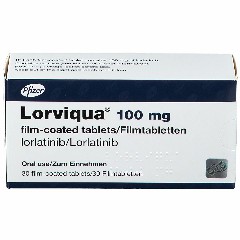
So, how to use lorlatinib correctly? First of all, patients must understand that lorlatinib is a prescription drug and must be used strictly in accordance with the doctor's instructions and recommendations. Typically, the recommended dose is 100 mg taken orally once daily. Lorlatinib can be taken with or without food, but in order to ensure a stable concentration of the drug in the body, patients should try to take it at approximately the same time every day.
During the medication process, patients may encounter some adverse reactions, such as headache, edema, joint pain, etc. Most of these reactions are mild to moderate, but patients still need to pay close attention to their physical condition and promptly report any discomfort or abnormal reactions to their doctor. The doctor will adjust the treatment plan or take corresponding measures according to the patient's specific situation and needs to ensure the patient's safety and treatment effect.
In addition, patients should also pay attention to the storage and validity period management of the drug when using lorlatinib. Medications should be stored in a dry, cool, and dark place and avoid being stored in extremely high or low temperatures. At the same time, the expiry date label on the drug packaging should be checked regularly and ensured to be used within the expiration date. Expired medicines may lose their efficacy or produce harmful substances, so do not use them.
In summary, lorlatinib, as a targeted therapy forALK-positive metastatic NSCLC, has significant efficacy and provides patients with a new treatment option. During use, patients should strictly follow the doctor's instructions and recommendations, pay attention to the usage and dosage of the drug, and monitor adverse reactions to ensure the therapeutic effect and their own safety.
[ 免责声明 ] 本页面内容来自公开渠道(如FDA官网、Drugs官网、原研药厂官网等),仅供持有医疗专业资质的人员用于医学药学研究参考,不构成任何治疗建议或药品推荐。所涉药品可能未在中国大陆获批上市,不适用于中国境内销售和使用。如需治疗,请咨询正规医疗机构。本站不提供药品销售或代购服务。


