
.jpeg)
Instructions for Melphalan/Melphalan Tablets
1. Common name: Melphalan tablets, Melphalan
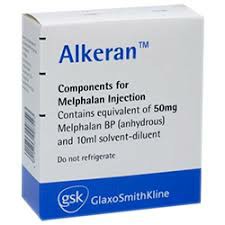
Product name: Melphalan, Alkeran, Alkeran
2. What is Melphalan tablets and what are its uses:
Melphalan/Melphalan tablets contain a drug called Melphalan, which belongs to a group of drugs called cytotoxic (also called chemotherapy) and is used to treat certain types of cancer. It works by reducing the number of abnormal cells produced by the body. Melphalan tablets are mainly used to treat:
1. Multiple myeloma (MM): A cancer that develops from cells called plasma cells in the bone marrow. Plasma cells help fight infection and disease by producing antibodies;
2. Advanced ovarian cancer;
3. Advanced breast cancer;
4. Polycythemia vera: A type of blood cancer in which the number of red blood cells in the blood increases due to uncontrolled red blood cell production in the body. This thickens the blood and causes blood clots, and can lead to headaches, dizziness, and shortness of breath.
3. Usage and dosage:
1. Recommended dosage:
(1)Multiple myeloma: For adult patients, the usual dosage regimen1: 0.15 mg/kg daily divided into 4 days, repeated every 6 weeks , usually used in combination with corticosteroids ; Protocol 2 is 6 mg once daily for 2-3 weeks, followed by 4 weeks of rest with careful monitoring of blood counts. If white blood cell and platelet counts rise, a daily maintenance dose of 2 mg may be given. Several treatments have been used, please refer to the detailed guide for the specific product.
Delay or adjust dose if necessary. Caution may be required to increase the dose until myelosuppression is observed to ensure that potentially therapeutic levels are achieved.
(2) Ovarian cancer:; For adult patients, daily 0.2 mg/kg for 5 days, repeat every 4-8 weeks, or immediately after bone marrow recovery.
(3)Breast cancer: For adult patients, daily0.15mg/kg or 6mg/m2continuous5 days, repeat every 6 weeks; dose reduction may be necessary if bone marrow toxicity is observed.
(4)Polycythemia vera: For adult patients, the remission induction dose is 6-10 mg daily for 5-7 days, then 2-4 mg daily until satisfactory disease control is achieved; the maintenance dose is 2-6 mg once weekly, with careful hematologic control and dose adjustments based on blood cell counts.
4. Adverse reactions:
In clinical studies of Melphalan tablets , the more significant adverse reactions include: bone marrow suppression leading to leukopenia, thrombocytopenia and anemia; secondary malignant tumors (such as myeloproliferative syndrome, acute myeloid leukemia), gastrointestinal toxicity ( Including nausea, vomiting, diarrhea, stomatitis), hepatitis, jaundice, allergic reactions (including anaphylaxis), interstitial pneumonia, ovarian function suppression(premenopausal women), testicular suppression, extravasation leading to local tissue damage.
Metabolic and nutritional disorders: Hypokalemia(IV).
Musculoskeletal and connective tissue disorders: myalgia, muscle atrophy or fibrosis, compartment syndrome.
Skin and subcutaneous tissue disorders: alopecia.
Potentially fatal: Pulmonary fibrosis.
5. Supply and storage:
Melphalan tablets are supplied as white, film-coated, round, biconvex tablets containing 2 mg of melphalan in amber glass vials with child-resistant closures. Store in the refrigerator at 2-8°C (36-46°F). Avoid light. Do not use this medication after the expiration date, which is written on the package after "Expired". The expiration date is the last day of the month. Do not throw away any medicines through wastewater or household garbage.
6. Taboo:
Melphalan tablets should not be used in patients who have shown previous resistance to this drug. Patients allergic to melphalan should not take this product.
7. Mechanism of action:
Melphalan is a dichloroethylamine type alkylating agent. It is believed to be taken up by tumor cells through a neutral amino acid activity pathway shared by leucine. Melphalan in guanineBinds at the N7 position and induces interstrand cross-links in DNA, disrupting DNA synthesis or transcription. It also causes DNA-protein cross-linking and induces RNA, protein and lipid damage. Melphalan is cytotoxic in both quiescent and rapidly dividing tumor cells.
8. Overdose:
There have been reports of overdose, including doses as high as50 mg/day for 16 days. Immediate effects may be vomiting, mouth ulcers, diarrhea and gastrointestinal bleeding. The main toxic effect is myelosuppression. Hematological parameters should be followed closely for 3 to 6 weeks. An uncontrolled study suggests that administration of autologous bone marrow or hematopoietic growth factors may shorten the duration of pancytopenia. General supportive measures should be taken as deemed necessary by the doctor, supplemented by appropriate blood transfusions and antibiotics. This drug is not significantly removed from plasma by hemodialysis.
[ 免责声明 ] 本页面内容来自公开渠道(如FDA官网、Drugs官网、原研药厂官网等),仅供持有医疗专业资质的人员用于医学药学研究参考,不构成任何治疗建议或药品推荐。所涉药品可能未在中国大陆获批上市,不适用于中国境内销售和使用。如需治疗,请咨询正规医疗机构。本站不提供药品销售或代购服务。


