
.jpeg)
What are the precautions for melphalan/melphalan for injection?
In clinical studies of Melphalan flufenamide for injection in the treatment of multiple myeloma (MM), warnings and precautions such as thrombocytopenia, neutropenia, anemia, infection, secondary malignant tumors, and embryo-fetal toxicity have emerged. Discontinue and resume at reduced dose upon recovery, or permanently discontinue based on severity.
1. Thrombocytopenia: Grade 3 or 4 thrombocytopenia occurred in 43% of patients treated with melphalan and dexamethasone for injection during the first cycle. Monitor platelets at baseline, during treatment, and as clinically indicated. Monitor more frequently during the first two months of treatment with injectable melphalan. Do not use melphalan for injection if the platelet count is less than 50x10^9/L. Discontinue injectable melphalan until the platelet count reaches 50x10^9/L or greater and resume the same or reduced dose depending on the duration of interruption. Adjust dosage and/or dosage regimen based on signs and symptoms of bleeding.
2. Neutropenia: During the first cycle of patients receiving melphalan and dexamethasone for injection, 50% of patients developed grade 3 or 4 neutropenia, with the median onset time being 15 days after the first dose. Monitor neutrophil counts at baseline, during treatment, and as clinically indicated. Monitor more frequently during the first two months of treatment with injectable melphalan. Do not use melphalan for injection if the absolute neutrophil count is less than 1x10^9/L. Discontinue melphalan until the absolute neutrophil count falls below 1x10^9/L or greater and resume the same or reduced dose depending on the duration of interruption. Leukocyte growth factor is considered clinically appropriate.
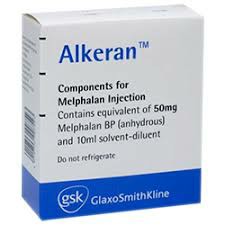
3. Anemia: 84% of patients treated with melphalan and dexamethasone for injection reported anemia. Monitor red blood cell counts at baseline, during treatment, and as clinically indicated. Monitor more frequently during the first two months of treatment with injectable melphalan. Treat anemia as clinically indicated and according to standard guidelines. The dose of injectable melphalan may need to be modified and delayed to allow recovery of red blood cells.
4. Infection: Among patients treated with melphalan and dexamethasone for injection, 24% of patients developed respiratory tract infection, 13% of patients developed pneumonia, and 3.8% of patients developed sepsis. Antimicrobial agents are considered clinically appropriate.
5. Increased risk of death when doses of injectable melphalan are higher than recommended: A nonclinical safety study in dogs showed that the use of higher than recommended doses of melphalan and flufenac for the treatment of relapsed and refractory multiple myeloma was associated with mortality. Clinical experience with injectable melphalan is limited and at higher than recommended doses. The safety and effectiveness of injectable melphalan as a conditioning regimen in patients undergoing transplantation have not been established.
6. Secondary malignant tumors: Multiple myeloma patients treated with melphalan for injection have experienced secondary malignant tumors, such as myelodysplastic syndrome or acute leukemia. Monitor patients long-term for the development of secondary malignancies.
7. Embryo-Fetotoxicity: Based on its mechanism of action, melphalan for injection can cause fetal damage when administered to pregnant women because it is genotoxic and targets actively dividing cells. Inform pregnant women of potential risks to the fetus. Advise females of reproductive potential to use effective contraception during treatment and for 6 months after the last dose; advise males of female partners of reproductive potential to use effective contraception during treatment and for 3 months after the last dose.
[ 免责声明 ] 本页面内容来自公开渠道(如FDA官网、Drugs官网、原研药厂官网等),仅供持有医疗专业资质的人员用于医学药学研究参考,不构成任何治疗建议或药品推荐。所涉药品可能未在中国大陆获批上市,不适用于中国境内销售和使用。如需治疗,请咨询正规医疗机构。本站不提供药品销售或代购服务。


