
.jpeg)
New treatment options for chronic myelogenous leukemia: in-depth analysis of the differences between axitinib and ivetinib
In the treatment field of chronic myelogenous leukemia (CML), axitinib (Ascitinib, fictitious name, adapted based on the concept of asiminib) and ocvitinib (Olvetinib, fictional name, adapted based on the concept of orebatinib), as a new generation of tyrosine kinase inhibitors (TKI), provides patients with more treatment options. Although both target the key driver of CML - BCR-ABL fusion protein, they show significant differences in their mechanisms of action, scope of indications, drug properties, side effects and clinical study performance. This article aims to comprehensively analyze these two drugs and provide detailed reference information for CML patients and medical workers.
1. Drug categories and unique mechanisms of action
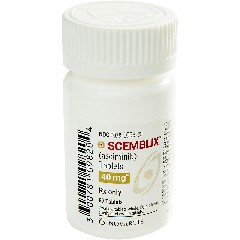
axitinib
Classification: Axitinib is classified as a third-generationTKI and represents an important advance in the field.
Mechanism of action: Its unique feature is that it directly acts on the myristoyl binding site of the BCR-ABL fusion protein. This mechanism allows axitinib to effectively inhibit the kinase activity of the protein, thereby curbing the excessive proliferation of CML cells. It is particularly worth mentioning that axitinib provides new treatment hope for patients who have developed resistance due to long-term use of other TKIs (such as imatinib, dasatinib).
Ovitinib
Classification: As a representative of the fourth generationTKI, ocvitinib has demonstrated broader inhibitory capabilities.
Mechanism of action: The core advantage of ocvitinib is that it can effectively inhibit a variety of BCR-ABL including T315Imutants, by comprehensively blocking the kinase activity of these mutant forms, display enhanced anti-drug resistance properties.
2. Similarities and differences in indications
Axitinib: Mainly used in the treatment of CML, especially for those patients who have poor response or resistance to traditional TKI treatment. In patients with T315Imutant CML, axitinib has shown a particularly outstanding therapeutic effect.
Orvitinib: is also suitable for the treatment of CML, but its indication range is wider, not only covering cases resistant to traditional TKI, but also showing good efficacy in the treatment of CML in the blast phase, providing new treatment options for these refractory patients.
3. Drug form and medication guidance
Axitinib: Exists in the form of oral tablets with a recommended dose of 40mg twice daily. To ensure optimal absorption, it is recommended to maintain consistent dosing times and avoid concurrent intake with high-fat foods.
Orvitinib: It is also an oral preparation, but the frequency of administration is lower. It is usually recommended to take it once a day. The specific dosage needs to be determined based on the doctor's assessment of the patient's condition. In order to improve patients' medication compliance, it is recommended to choose a fixed time point for taking the medication.
4. Side Effect Management
Axitinib: Common side effects include nausea, diarrhea, fatigue and headache. Some patients may experience liver function abnormalities and changes in hematological parameters, such as a decrease in white blood cell count.
Ovitinib: The side effect spectrum is similar, but some patients may experience more serious side effects, such as abnormal heart function and liver damage, due to the stronger potency of the drug, which requires close monitoring and timely treatment.
5. Clinical research results
Axitinib: Clinical trial data show that axitinib can effectively promote cytological and molecular remission, especially in drug-resistant patients, bringing new hope for treatment to these patients.
Orvitinib: Clinical studies have also confirmed the significant efficacy of orvitinib in drug-resistant CML, especially in blast crisis patients, adding a new and powerful weapon to the treatment field of CML.
To sum up, axitinib and osvitinib, as the new generation of TKI for CML, have their own characteristics in terms of mechanism of action, indications, medication regimens and side effects, but together they provide more diversified treatment options for CML patients. When choosing a treatment plan, patients should fully communicate with the medical team and develop a treatment plan that best suits them based on their personal condition, drug tolerance, and expected efficacy. As research continues to deepen, these two drugs are expected to play a more important role in the treatment of CML in the future.
[ 免责声明 ] 本页面内容来自公开渠道(如FDA官网、Drugs官网、原研药厂官网等),仅供持有医疗专业资质的人员用于医学药学研究参考,不构成任何治疗建议或药品推荐。所涉药品可能未在中国大陆获批上市,不适用于中国境内销售和使用。如需治疗,请咨询正规医疗机构。本站不提供药品销售或代购服务。


