
.jpeg)
The difference between melphalan/melphalan for injection and tablets
Melphalan for injectionThere are significant differences between Melphalan flufenamide and tablets in terms of drug form, route of administration, bioavailability, indications and clinical application. Melphalan flufenamide is a new chemotherapy drug mainly used to treat multiple myeloma and certain types of lymphoma. It is a derivative of melphalan that binds to albumin to enhance its efficacy.
In pharmaceutical form, melphalan for injection is available as an injection and usually needs to be administered by a medical professional in a medical facility. This method of administration ensures that the drug quickly enters the blood circulation, allowing patients to obtain the therapeutic effects of the drug faster. In contrast, tablets are administered orally, and patients can take them at home, which is more convenient, but may be affected by gastrointestinal absorption capacity, resulting in relatively low bioavailability.
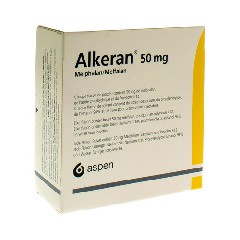
Secondly, differences in administration routes will also affect patients’ treatment options. Injectable melphalan is often used for patients who require quick results or have more severe conditions, while tablets are suitable for patients with milder, stable conditions. Because the effects of injections are rapid and direct, they are suitable for acute treatment or special situations that require close monitoring, while tablets are more suitable for long-term maintenance treatment.
Bioavailability is another important distinction. Because melphalan for injection directly enters the blood circulation, its bioavailability is close to100%, while the bioavailability of tablets is affected by many factors, such as interactions with food, other drugs, and individual digestion and absorption capabilities. Therefore, while tablets are convenient to use, the patient's actual drug exposure may not be as stable as injectables.
In terms of indications, although both are targeting similar diseases, the specific indications may be different. Generally speaking, injectable drugs are often used in more complex or urgent treatment cases, that is, in combination with dexamethasone to treat multiple myeloma in adults, where the patient may have received at least four other chemotherapy drugs and still face recurrence or no improvement in the disease; while tablets may be used for maintenance treatment or as part of adjuvant treatment, such as multiple myeloma, ovarian cancer, breast cancer, polycythemia vera. This choice relies on the physician's judgment and the patient's specific circumstances.
In clinical applications, injectable melphalan is usually administered in a hospital setting to facilitate patient monitoring and management of possible side effects, such as allergic reactions or adverse reactions. Tablets are usually used in outpatient or home settings, and patients need to understand the medication guidelines and possible adverse reactions so that they can communicate with their doctors in a timely manner.
Additionally, management of side effects varies. Injectable medications can cause local reactions or systemic reactions, and doctors can adjust treatment plans based on the patient's immediate reaction. The management of tablets relies more on the patient's self-monitoring. Patients need to pay attention to their own physical changes and report to the doctor in a timely manner.
[ 免责声明 ] 本页面内容来自公开渠道(如FDA官网、Drugs官网、原研药厂官网等),仅供持有医疗专业资质的人员用于医学药学研究参考,不构成任何治疗建议或药品推荐。所涉药品可能未在中国大陆获批上市,不适用于中国境内销售和使用。如需治疗,请咨询正规医疗机构。本站不提供药品销售或代购服务。


