
.jpeg)
Do I still need to take gastroprotective medications while taking crizotinib?
Crizotinib is an anti-tumor drug mainly used to treat anaplastic lymphoma kinase (ALK)-positive locally advanced or metastatic non-small cell lung cancer (NSCLC). However, like many other drugs, crizotinib can cause a range of side effects, including irritation of the gastrointestinal tract. These side effects may cause patients to experience stomach upset, nausea, vomiting, acid reflux and other symptoms.
For these gastrointestinal side effects, doctors may recommend that patients take gastroprotective medications to relieve symptoms. There are many types of gastric protective drugs, including acid-suppressing drugs, gastric mucosal protective drugs, and gastric motility drugs. These drugs can reduce gastric irritation and damage by inhibiting gastric acid secretion, forming a protective layer on the gastric mucosa surface, or promoting gastrointestinal motility.
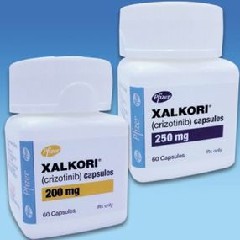
Specifically, for gastric discomfort that may occur when taking crizotinib, commonly used gastroprotective drugs include proton pump inhibitors such as omeprazole and lansoprazole, which can strongly inhibit gastric acid secretion; ranitidine, famotidine, etc.H2 Receptor antagonists have relatively weak acid-suppressing effects but can also relieve gastric discomfort; gastric mucosal protective drugs such as sucralfate and bismuth potassium citrate can form a protective film on the surface of the gastric mucosa; and gastric motility drugs such as domperidone and mosapride can improve gastric motility and relieve symptoms such as gastric bloating.
However, whether gastroprotective drugs are needed, and which drugs to take, should be determined based on the patient's specific circumstances. This includes the patient's age, gender, weight, liver and kidney function, past medical history, drug allergy history and other aspects. Therefore, when taking crizotinib, patients should strictly follow the doctor's instructions and recommendations and do not decide to take gastroprotective drugs on their own.
In addition to drug treatment, patients should also pay attention to dietary adjustments and improvement of living habits to reduce the burden on the gastrointestinal tract and promote recovery. For example, avoid eating spicy, greasy, and irritating foods and drinks; quit smoking and drinking; maintain a regular work and rest schedule and get enough sleep.
[ 免责声明 ] 本页面内容来自公开渠道(如FDA官网、Drugs官网、原研药厂官网等),仅供持有医疗专业资质的人员用于医学药学研究参考,不构成任何治疗建议或药品推荐。所涉药品可能未在中国大陆获批上市,不适用于中国境内销售和使用。如需治疗,请咨询正规医疗机构。本站不提供药品销售或代购服务。


