
.jpeg)
How to implement crizotinib treatment for patients with advanced lung adenocarcinoma?
For patients with advanced lung adenocarcinoma, the implementation of crizotinib treatment is a complex but important treatment process.
Patients need genetic testing to confirm whether there are mutations in crizotinib-sensitive genes such as ALK or ROS1. This is a critical step in determining whether a patient is a candidate for crizotinib. Doctors need to evaluate the patient's overall physical condition, including liver and kidney function, heart function, etc., to ensure that the patient can tolerate crizotinib treatment.
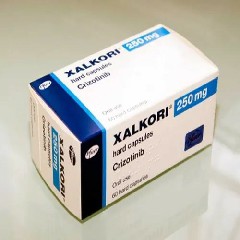
The recommended dose of crizotinib is 250 mg twice daily until disease progression or patient intolerance. Dosage adjustments may be necessary in patients with impaired hepatic and renal function. Patients should take crizotinib capsules on an empty stomach or with food as directed by their doctor, and swallow them whole. At the same time, you need to understand possible side effects and how to deal with them.
During treatment, patients need to regularly monitor liver function, blood routine, electrolytes and other indicators, as well as tumor imaging evaluation to understand the treatment effects and side effects. Crizotinib may cause side effects such as visual disturbances and digestive system reactions. Patients need to pay close attention to their body's reactions and inform their doctor promptly if they feel unwell. The doctor will adjust the dosage or give corresponding treatment according to the patient's specific condition.
The treatment of advanced lung adenocarcinoma usually requires the cooperation of a multidisciplinary team, including medical oncology, radiotherapy, imaging, etc. Team members should communicate regularly to jointly develop and adjust treatment plans. Doctors should introduce crizotinib's mechanism of action, usage and dosage, side effects, precautions and other information to patients in detail to improve patients' treatment compliance.
Patients with advanced lung adenocarcinoma often face greater psychological pressure. Doctors and nurses should provide psychological support to help patients establish a positive treatment attitude and confidence in life.
[ 免责声明 ] 本页面内容来自公开渠道(如FDA官网、Drugs官网、原研药厂官网等),仅供持有医疗专业资质的人员用于医学药学研究参考,不构成任何治疗建议或药品推荐。所涉药品可能未在中国大陆获批上市,不适用于中国境内销售和使用。如需治疗,请咨询正规医疗机构。本站不提供药品销售或代购服务。


