
.jpeg)
Several major side effects and coping strategies to be aware of in the treatment of CML with Aceminib
Asciminib, a new tyrosine kinase inhibitor drug for chronic myelogenous leukemia (CML), has shown remarkable results in clinical treatment, but like other drugs, its use may be accompanied by a series of side effects. An in-depth understanding of these common side effects can help patients better manage the medication process and ensure treatment effectiveness.
The primary concern is gastrointestinal discomfort. After using Asiminib, patients may experience symptoms such as nausea, vomiting, diarrhea, and abdominal pain, which may have a certain impact on daily life. To relieve these discomforts, patients are advised to take medication after meals or use anti-nausea medications as directed by their doctor.
Hematological abnormalities are also a major concern during treatment with Asiminib. Patients may develop anemia, white blood cell and thrombocytopenia, which increases the risk of infection and bleeding. Therefore, regular blood tests and close monitoring of changes in blood cell counts are crucial to adjusting treatment options.
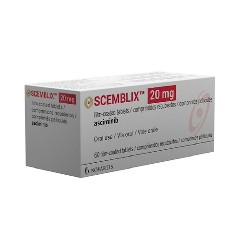
The problem of high blood pressure cannot be ignored either. Aceminid may cause an increase in blood pressure in patients, so blood pressure needs to be monitored regularly and control measures taken if necessary to maintain cardiovascular health.
In addition, fatigue and weakness are also common reactions in some patients after taking aximinib. This symptom is more obvious at the beginning of taking the drug, but usually gradually reduces over time. Patients can relieve symptoms through proper rest and exercise.
Skin reactions are also a possible problem with Aceminid. Some patients may develop rashes or other skin discomforts, which are mostly mild, but may be severe in individual cases and require prompt medical treatment.
At the same time, liver function abnormalities are also issues that need to be paid attention to when using Asiminib. Medications may cause increases in liver enzymes, indicating impaired liver function. Therefore, regular liver function tests and timely detection and treatment of related problems are crucial to ensuring medication safety.
Despite these possible side effects, acemini is well tolerated by most patients. Regular monitoring, maintaining communication with doctors, and timely reporting of discomfort symptoms are the keys to ensuring treatment effectiveness and patient quality of life. Through reasonable medication management and symptomatic treatment, patients can usually successfully receive treatment and maintain a high quality of life.
[ 免责声明 ] 本页面内容来自公开渠道(如FDA官网、Drugs官网、原研药厂官网等),仅供持有医疗专业资质的人员用于医学药学研究参考,不构成任何治疗建议或药品推荐。所涉药品可能未在中国大陆获批上市,不适用于中国境内销售和使用。如需治疗,请咨询正规医疗机构。本站不提供药品销售或代购服务。


