
.jpeg)
Instructions for Ebglyss (Lebrikizumab)
1. Name: Lebrikizumab, Ebglyss
2. Indications:
Ebglyss (Lebrikizumab) is indicated for the treatment of adult and pediatric patients 12 years and older who weigh at least 40 kg and have moderate to severe atopic dermatitis (AD) whose disease is not adequately controlled by topical prescription therapies or where these therapies are not advisable.
3. Usage and dosage:
1. Before treatment: Before using Ebglyss for treatment, all age-appropriate vaccinations must be completed according to current immunization guidelines.
2. Recommended dose: The recommended dose of Ebglyss is an initial dose of 500 mg (two 250 mg injections) at weeks 0 and 2, followed by 250 mg every two weeks until week 16 or later, when adequate clinical response is achieved. The maintenance dose is 250 mg every four weeks.
3. With topical treatment:Ebglyss can be used with or without topical corticosteroids (TCS). Topical calcineurin inhibitors (TCIs) can be used, but only in sensitive areas such as the face, neck, interchondral and genital areas.
4. Medication management: Ebglyss is used for subcutaneous administration. Injection sites include the abdomen, thighs, and back of the upper arms. Ebglyss can be administered by a caregiver or health care provider on the back of the upper arm. Alternate injection sites with each injection. Do not inject Ebglyss within 2 inches (5 cm) of your belly button, or into areas of tender, bruised, red, hard skin, or areas of skin affected by atopic dermatitis or skin damage.
5. Missed dose: If you miss a dose, please take it as soon as possible. Thereafter, resume dosing at regularly scheduled times.
4. Adverse reactions:
In clinical studies of Ebglyss, the most common adverse reactions were eye and eyelid inflammation (dry eye and conjunctivitis), including redness, swelling and itching, injection site reactions and shingles, including allergic conjunctivitis.
5. Supply and storage:
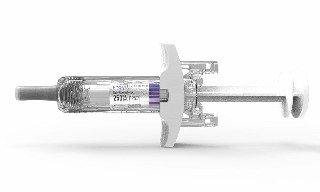
Ebglyss injection is a sterile, preservative-free, clear to milky white, colorless to slightly yellow to slightly brown solution. It can be used in a single-dose prefilled pen or a single-dose prefilled syringe with a needle guard. InStore refrigerated at 2°C to 8°C (36°F to 46°F). If necessary, Ebglyss can be stored in the original carton at room temperature up to 30°C (86°F) for up to 7 days. Handle Ebglyss that has been left at room temperature for more than 7 days.
Please store in the original carton away from light before use. Do not freeze. Do not use ifEbglyss has been frozen. Don't shake. Do not microwave, rinse in hot water, or expose it to direct sunlight.
6. Taboo:
Ebglyss is contraindicated in patients with previous severe hypersensitivitylebrikizumab-lbkz or any of the excipients of Ebglyss.
7. Mechanism of action:
EbglyssIngredientsLebrikizumab-lbkz is an IgG4 monoclonal antibody that binds interleukin (IL)-13 with high affinity and slow off rate and allows IL-13 to bind to IL-13Rα1 but inhibits human IL-13 signaling through the IL-4Rα/IL-13Rα1 receptor complex. IL-13 is a naturally occurring cytokine involved in type 2 inflammation, an important component in the pathogenesis of atopic dermatitis. Lebrikizumab-lbkz inhibits IL-13-induced responses, including the release of pro-inflammatory cytokines, chemokines, and IgE. Lebrikizumab-lbkz-bound IL-13 can still bind IL-13Rα2, allowing subsequent internalization and natural clearance of IL-13.
8. Overdose:
In clinical trials, single intravenous doses up to 10mg/kg and multiple subcutaneous doses up to 500mg have been administered in humans without dose-limiting toxicities. There is no specific treatment for Ebglyss overdose. In the event of overdose, the patient should be monitored for any signs or symptoms of adverse reactions and appropriate symptomatic treatment instituted promptly.
9. Special groups:
There are limited data on the use of Ebglyss in pregnant women Animal studies have not shown any direct or indirect harmful effects on reproductive toxicity. As a precaution, it is best to avoid using Ebglyss during pregnancy. Carcinogenicity studies have not been conducted on Ebglyss. After an evaluation of the available evidence related to the IL-13 inhibitory effects of Ebglyss and animal toxicology data, Ebglyss was not found to be carcinogenic.
[ 免责声明 ] 本页面内容来自公开渠道(如FDA官网、Drugs官网、原研药厂官网等),仅供持有医疗专业资质的人员用于医学药学研究参考,不构成任何治疗建议或药品推荐。所涉药品可能未在中国大陆获批上市,不适用于中国境内销售和使用。如需治疗,请咨询正规医疗机构。本站不提供药品销售或代购服务。


