
.jpeg)
Crizotinib in the treatment of soft tissue sarcoma
Soft tissue sarcoma (STS) is a group of highly heterogeneous malignant tumors originating from mesenchymal tissue. Its incidence is relatively low, but treatment is difficult, and the prognosis of advanced patients is usually poor. In recent years, with the development of molecular targeted therapy, crizotinib, as a multi-target tyrosine kinase inhibitor, has shown certain efficacy in the treatment of soft tissue sarcoma.
Crizotinib mainly inhibits the proliferation and survival of tumor cells by inhibiting tyrosine kinase activity in tumor cells and blocking signal transduction pathways. In soft tissue sarcomas, some tumor types have specific gene mutations, such as ALK gene rearrangements, NTRK gene fusions, etc. These mutations make tumor cells highly sensitive to crizotinib. Therefore, crizotinib has significant efficacy in the treatment of patients with soft tissue sarcomas harboring mutations in these genes.
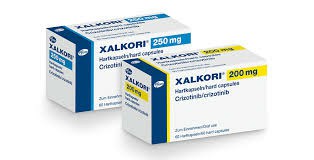
Multiple clinical studies have provided strong support for the application of crizotinib in the treatment of soft tissue sarcoma. Crizotinib was used to treat some of the patients in a study involving 80 patients with advanced STS who carried a known specific molecular variant. The results showed that some patients who received crizotinib achieved complete remission (CR) or partial remission (PR), and the duration of stable disease (SD) was longer. The quality of life of these patients was significantly improved during treatment, and their survival was also prolonged.
Specifically, crizotinib demonstrated significant efficacy in patients with NTRK1-KHDRBS1 fusion, ALK rearrangement, or LMNA-NTRK1 fusion. Among these patients, some patients have achieved CR or are close to CR after treatment with crizotinib. In addition, crizotinib has also shown certain therapeutic effects for patients with STS carrying MDM2 amplification. These research results indicate that crizotinib has high application value in the treatment of soft tissue sarcoma targeting specific gene mutations.
When evaluating the clinical effect of crizotinib in the treatment of soft tissue sarcomas, its safety and tolerability are also aspects that cannot be ignored. Based on clinical study data, crizotinib is relatively well tolerated. The adverse events experienced by most patients during treatment were mild to moderate, such as visual disturbances, gastrointestinal reactions, etc. These adverse events can usually be alleviated by adjusting drug dosage or providing appropriate supportive care. Only a few patients discontinued treatment due to intolerable adverse events, further confirming the safety profile of crizotinib in the treatment of soft tissue sarcoma.
However, soft tissue sarcomas are highly heterogeneous, and there are differences in gene mutation types and expression levels between different patients, which leads to significant differences in the therapeutic effect of crizotinib between different patients. Secondly, as treatment progresses, some patients may develop drug resistance, leading to disease progression. Therefore, how to overcome the drug resistance problem and improve the therapeutic effect is still the focus of future research.
[ 免责声明 ] 本页面内容来自公开渠道(如FDA官网、Drugs官网、原研药厂官网等),仅供持有医疗专业资质的人员用于医学药学研究参考,不构成任何治疗建议或药品推荐。所涉药品可能未在中国大陆获批上市,不适用于中国境内销售和使用。如需治疗,请咨询正规医疗机构。本站不提供药品销售或代购服务。


