
.jpeg)
Analysis of coping strategies between the use of crizotinib and brain metastasis in patients with lung adenocarcinoma
Brain metastasis is a problem that requires special attention when patients with lung adenocarcinoma are treated with crizotinib. Crizotinib, as a tyrosine kinase inhibitor (TKI), is mainly used to treat ROS1 rearranged or ALK positive non-small cell lung cancer. However, while crizotinib has shown some efficacy in treating these types of lung cancer, it has limitations in its ability to deal with brain metastases.
Crizotinib has significant efficacy in the treatment of ROS1-positive or ALK-positive non-small cell lung cancer, but the risk of intracranial progression is higher. Multiple studies have pointed out that among patients treated with crizotinib, 46% to 72% first develop intracranial progression, and among them 80% the brain is the only site of progression. Crizotinib has limited ability to cross the blood-brain barrier, resulting in its suboptimal efficacy in treating intracranial lesions. For patients with brain metastases, the response rate of intracranial lesions with crizotinib is only 18%, which is much lower than that of patients with metastases in other locations.
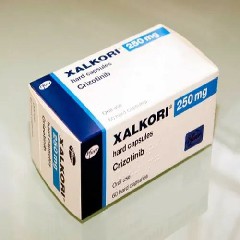
For patients who fail crizotinib treatment or develop brain metastases, second-generationALK-TKIs can be considered, such as alectinib, ceritinib or entrectinib. These drugs have higher central nervous system penetration than crizotinib and can better control brain metastases.
For patients with a small number of brain metastases, surgical resection or stereotactic radiotherapy (SRT) can be considered. These local treatments can quickly relieve the symptoms of intracranial hypertension and improve the patient's quality of life.
Whole-brain radiation therapy is an effective treatment option for patients with large numbers of brain metastases or those with unresectable brain metastases. It can control widespread metastasis in the brain and relieve patients' neurological symptoms.
During the treatment process, patients should regularly undergo brain imaging examinations, such as MRI or CT, to monitor changes in brain metastases. Once new brain metastases appear or original lesions progress, the treatment plan should be adjusted in a timely manner.
[ 免责声明 ] 本页面内容来自公开渠道(如FDA官网、Drugs官网、原研药厂官网等),仅供持有医疗专业资质的人员用于医学药学研究参考,不构成任何治疗建议或药品推荐。所涉药品可能未在中国大陆获批上市,不适用于中国境内销售和使用。如需治疗,请咨询正规医疗机构。本站不提供药品销售或代购服务。


