
.jpeg)
Is there a big difference between imported dasatinib and domestically produced dasatinib?
Dasatinib (Dasatinib) is an ABL tyrosine kinase inhibitor widely used in the treatment of Philadelphia chromosome-positive acute lymphoblastic leukemia (Ph+ ALL) and chronic myelogenous leukemia (CML). With the increase in clinical demand, imported and domestic dasatinib have appeared on the market. So how big is the difference between the two?
From the perspective of drug ingredients and mechanisms, the main ingredients of imported and domestic dasatinib are the same, and both are the active ingredients of dasatinib. Their mechanisms of action are the same, and they both prevent the proliferation of tumor cells by inhibiting ABL tyrosine kinase. Therefore, there is no significant theoretical difference between the two in terms of treatment effect.
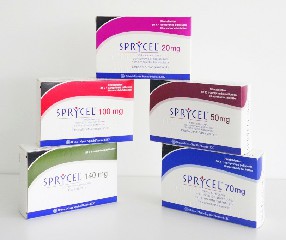
However, there may be some differences between imported and domestically produced drugs in terms of drug production processes, quality control, and stability. Imported drugs usually undergo strict international certification, and every link in the production process has clear standards and monitoring. In contrast, although domestically produced drugs are also supervised by the national drug regulatory department, there may be certain gaps in some aspects due to differences in technical levels and production environments. This gap may be reflected in the purity, impurity content and bioavailability of the drug, which also affects the patient's medication experience.
Secondly, in terms of price, imported dasatinib is usually priced higher, which is an important consideration for patients’ financial burden. Due to its relatively low production cost, domestically produced dasatinib can usually be provided to patients at a more competitive price, which allows more patients to receive treatment, especially in areas with limited medical resources, where domestically produced drugs are particularly important.
In addition, regarding the incidence of adverse reactions, although theoretically the two should be similar, due to individual differences and different medication conditions, the actual adverse reactions may be different. Therefore, during the medication process, doctors will pay close attention to the patient's response and adjust the medication strategy.
[ 免责声明 ] 本页面内容来自公开渠道(如FDA官网、Drugs官网、原研药厂官网等),仅供持有医疗专业资质的人员用于医学药学研究参考,不构成任何治疗建议或药品推荐。所涉药品可能未在中国大陆获批上市,不适用于中国境内销售和使用。如需治疗,请咨询正规医疗机构。本站不提供药品销售或代购服务。


