
.jpeg)
What is the difference between molotinib and ruxolitinib?
The difference between molotinib and ruxolitinib is that they are two innovative drugs with different advantages in drug properties, treatment fields and patient experience.
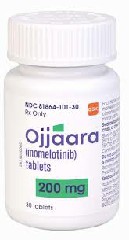
Molotinib, a drug developed by British GlaxoSmithKline, has recently attracted widespread attention in the pharmaceutical industry. As an ATP-competitive JAK1/JAK2 inhibitor, it is specially designed for patients with intermediate- and high-risk myelofibrosis, especially those adult patients who are deeply troubled by anemia symptoms. The emergence of molotinib has brought new treatment hope to these patients. Its unique mechanism can effectively regulate the environment inside the bone marrow, alleviate patients' anemia symptoms, and improve their quality of life. However, like all drugs, molotinib may be accompanied by some adverse reactions during use, such as thrombocytopenia, bleeding, bacterial infection, etc., so patients need to strictly follow medical instructions.
In contrast, ruxolitinib is a drug that has already established a certain position in the market. It is also targeted at patients with myelofibrosis, but appears to have a broader scope of application, including primary myelofibrosis, post-polycythemia vera myelofibrosis, and post-essential thrombocythemia myelofibrosis. The main advantage of ruxolitinib is its ability to significantly shrink the spleen, improve patients' quality of life, and stabilize or improve myelofibrosis. However, long-term use of ruxolitinib may also cause some side effects, such as bone marrow suppression, increased risk of infection, etc., and patients need to pay close attention during use.
Overall, molotinib and ruxolitinib are important drugs for the treatment of myelofibrosis, a refractory disease. They overlap in treatment areas, but each has unique focus and advantages. For patients, the choice of which drug is more appropriate needs to be comprehensively considered based on their own illness, physical condition, and doctor's advice. In any case, the emergence of these two drugs provides more treatment options and hope for patients with myelofibrosis.
[ 免责声明 ] 本页面内容来自公开渠道(如FDA官网、Drugs官网、原研药厂官网等),仅供持有医疗专业资质的人员用于医学药学研究参考,不构成任何治疗建议或药品推荐。所涉药品可能未在中国大陆获批上市,不适用于中国境内销售和使用。如需治疗,请咨询正规医疗机构。本站不提供药品销售或代购服务。


