
.jpeg)
How long does it take for drug resistance to crizotinib to develop
The time it takes for resistance to crizotinib to develop after taking crizotinib varies depending on individual differences, disease severity, genetic mutations, and treatment options.
According to data from multiple clinical studies, the median progression-free survival (PFS) of crizotinib is usually around 10.9 months. This means that in about half of patients taking crizotinib, their tumors will progress or become resistant within 10.9 months. However, some studies have shown that the resistance time to crizotinib may range from 6 to 18 months. This suggests significant differences in the duration of resistance between patients.
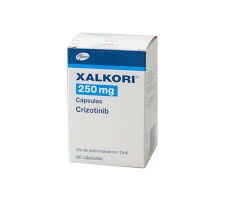
Patient sensitivity and resistance to crizotinib are affected by individual differences and genetic variations. In particular, tumor-related gene mutations, such as the mutation type of the ALK gene, may affect the efficacy of crizotinib and the emergence time of drug resistance. Some studies have shown that in patients with ALK gene mutations, the time when drug resistance appears after taking crizotinib may differ depending on the type of mutation in the ALK gene.
Factors such as the patient's disease severity, tumor type, stage, and whether they have received other treatments may also affect the time when resistance to crizotinib occurs. For patients with more severe disease and advanced tumor stages, the resistance time to crizotinib may be relatively short. In addition, the selection and adjustment of treatment regimens may also influence the emergence of drug resistance. For example, the combined use of other targeted drugs or chemotherapy drugs may prolong the efficacy of crizotinib and delay the emergence of drug resistance.
In actual clinical practice, some patients are still effective within a few years after taking crizotinib, while some patients develop drug resistance in a relatively short period of time. This suggests that the timing of emergence of drug resistance is not only affected by the above factors, but may also be affected by other unknown factors. Therefore, doctors need to develop personalized treatment plans based on the patient's specific conditions and regularly evaluate efficacy and resistance.
[ 免责声明 ] 本页面内容来自公开渠道(如FDA官网、Drugs官网、原研药厂官网等),仅供持有医疗专业资质的人员用于医学药学研究参考,不构成任何治疗建议或药品推荐。所涉药品可能未在中国大陆获批上市,不适用于中国境内销售和使用。如需治疗,请咨询正规医疗机构。本站不提供药品销售或代购服务。


