
.jpeg)
Ivonib: Medication guide for patients with IDH1-mutated AML
1. Drug overview and indications
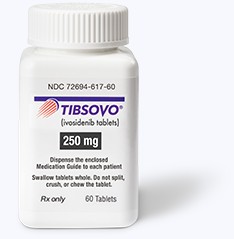
Ivosidenib, as an advanced targeted drug, is designed to treat adult patients with relapsed or refractory acute myeloid leukemia (AML) who carry isocitrate dehydrogenase1 (IDH1) mutations. Its core mechanism is to target the IDH1 mutation, effectively blocking the abnormal metabolic pathways of cancer cells, thereby inhibiting the growth and spread of tumors.
2. The mechanism of action of ivonib
Avonib is a highly effective IDH1 inhibitor. IDH1Mutation can cause an abnormal metabolite called 2-hydroxyglutarate (2-HG) to accumulate in the body. This substance can interfere with the normal differentiation process of cells and trigger the formation of tumors. Ivonib significantly reduces the production of 2-HG by precisely inhibiting the activity of mutated IDH1 enzyme, thereby effectively preventing the proliferation and spread of cancer cells and providing new treatment hope for AML patients.
3. Pharmacological properties and metabolism
Avosidenib is rapidly absorbed after oral administration, is mainly metabolized in the liver, and is excreted through feces and urine. The drug has a half-life of approximately 93 hours, meaning it remains active in the body for a relatively long time. Usually, patients can reach the peak concentration in plasma within 33 hours after taking the drug and exert its effect.
4. Detailed explanation of dosage and usage
The recommended dose of ivonib is 500 mg once daily, which can be administered orally. Patients can choose to take it with food or on an empty stomach, but it is recommended to take it at the same time every day to ensure the stability of the drug effect. If the patient misses a dose, he should take it as soon as possible on the same day, but remember not to take two doses on the same day. During treatment, patients should undergo regular blood and imaging tests so that doctors can evaluate the effectiveness of the treatment and monitor possible side effects in a timely manner.
5. Side effects and countermeasures
During treatment with ivonib, patients may experience some common side effects, including persistent fatigue, gastrointestinal discomfort such as nausea and vomiting, diarrhea, loss of appetite, and joint pain. In addition, more serious side effects such as differentiation syndrome and QT interval prolongation may also occur, in which case patients need to seek medical attention immediately and take appropriate treatment measures.
6. Warnings and Precautions
1. Differentiation syndrome: Some patients may develop differentiation syndrome during treatment, manifesting as fever, dyspnea, hypotension and other symptoms. Therefore, the patient's physical condition should be closely monitored and treated with steroid drugs if necessary.
2.QT interval prolongation: Ivonib may cause QT interval prolongation and increase the risk of arrhythmia. Therefore, the patient's cardiac function should be assessed before treatment and monitored regularly during treatment.
3.Abnormal liver function: Regular monitoring of liver function is necessary, because if severe liver function abnormalities occur, it may be necessary to consider reducing the dose or suspending the medication.
7. Use with caution by specific groups of people
This drug should be contraindicated in patients who are allergic to ivosidenib or any of its components.
Pregnant and nursing women should avoid the use of ivosidenib because the drug may have adverse effects on the fetus or infant. In such patients, other appropriate treatment options should be selected.
8. Drug interactions
Ivosidenib may interact with other drugs, especially potent CYP3A4 inhibitors or inducers that may affect the metabolism of ivosidenib, thereby changing its concentration in plasma. Therefore, patients should inform their doctors when using other medications so that potential drug interactions can be evaluated and adjusted.
9. Medication guidance for special populations
1. Elderly patients: When using ivonib, changes in liver and kidney function in elderly patients should be considered, and dosage adjustments should be made if necessary to ensure medication safety.
2. Patients with hepatic and renal insufficiency: Patients with mild to moderate hepatic and renal insufficiency usually do not need to adjust the dosage. However, in patients with severe hepatic and renal impairment, ivonib needs to be used with greater caution and with close monitoring during treatment.
3. Pregnant and lactating women: Since ivonib may cause harm to the fetus or infant, it is recommended that such patients take effective contraceptive measures during treatment and avoid breastfeeding to ensure the safety of the infant.
In summary, Ivosidenib (Ivosidenib), as a targeted drug for IDH1 mutation-related acute myeloid leukemia, provides patients with a new treatment option. However, before using this drug, patients should undergo IDH1 mutation testing to ensure the accuracy of medication, and conduct treatment under the guidance of a doctor. Regular monitoring is required during treatment to ensure the safety and efficacy of the medication. If serious side effects or drug interactions occur, patients should seek medical attention immediately and work with their doctor to adjust their treatment plan.
[ 免责声明 ] 本页面内容来自公开渠道(如FDA官网、Drugs官网、原研药厂官网等),仅供持有医疗专业资质的人员用于医学药学研究参考,不构成任何治疗建议或药品推荐。所涉药品可能未在中国大陆获批上市,不适用于中国境内销售和使用。如需治疗,请咨询正规医疗机构。本站不提供药品销售或代购服务。


