
.jpeg)
The efficacy of imatinib in treating leukemia
Imatinib (Imatinib), as a bright new star in the field of cancer treatment, has won widespread attention and praise from the medical community with its unique targeting mechanism and significant therapeutic effect. As a highly effective tyrosine kinase inhibitor, imatinib has demonstrated extraordinary efficacy and role in the treatment of cancers such as chronic myelogenous leukemia (CML), gastrointestinal stromal tumors (GIST) and specific types of acute lymphoblastic leukemia (ALL). Below, we will discuss in detail the indications, mechanism of action, efficacy and clinical application advantages of imatinib.
1. Broad indications of imatinib
1.Imatinib has become an important choice for the treatment of various cancers due to its unique pharmacological properties:
Chronic myelogenous leukemia (CML):CML is a hematological malignant tumor caused by the BCR-ABL fusion gene. By precisely targeting the BCR-ABL tyrosine kinase, imatinib effectively inhibits cancer cell proliferation and significantly improves patient prognosis, especially in patients with chronic phase CML.
2.Gastrointestinal stromal tumor (GIST): GIST is a rare tumor originating from the smooth muscle of the gastrointestinal tract and is closely related to c-KIT gene mutations. Imatinib effectively controls tumor growth by inhibiting the activity of c-KIT tyrosine kinase, providing new treatment hope for patients with recurrent or unresectable GIST after surgical resection.
3.Specific acute lymphoblastic leukemia (ALL): For BCR-ABL fusion gene-positive ALL patients, imatinib provides an effective treatment option, especially when traditional treatments are ineffective.
4.Other cancers with specific gene mutations: Depending on clinical data and pathological characteristics, imatinib may also have a therapeutic effect on other tumors caused byBCR-ABLgene mutations.
2. Revealing the mechanism of action of imatinib
The reason why imatinib can play such an important role in cancer treatment is mainly due to its unique mechanism of action:
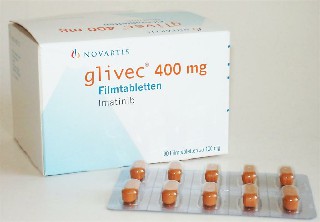
1.Inhibition ofBCR-ABLtyrosine kinase: Imatinib inhibits the growth and proliferation of cancer cells by specifically binding to the ATP binding site of BCR-ABLtyrosine kinase and preventing its activation.
2.Inhibition of c-KITtyrosine kinase: In GIST patients, imatinib reduces the growth and spread of tumors by inhibiting the activity of c-KITtyrosine kinase.
3.Selective targeting: Imatinib can accurately identify and target abnormal tyrosine kinases in cancer cells, while having less impact on normal cells. This selective targeting mechanism significantly reduces the side effects of traditional chemotherapy drugs.
3. The excellent efficacy of imatinib
Imatinib has shown excellent efficacy in the treatment of various cancers:
1. Efficacy ofonCML: The introduction of imatinib has completely changed the treatment landscape of CML. Clinical studies have shown that the vast majority of patients with chronic phase CML can achieve significant remission after receiving imatinib treatment, and about 70% of them have achieved complete cytological remission (CCyR), with survival and quality of life significantly improved.
2.Efficacy onGIST: Imatinib also performs well in the treatment of GIST. It can significantly reduce tumor size, reduce the risk of recurrence, and bring patients longer survival and better quality of life.
3.Efficacy in ALL: In BCR-ABLpositive ALL patients, the application of imatinib has also achieved impressive results. It can improve patients' complete response rates and provide an effective treatment option for refractory or relapsed cases.
4. Clinical application advantages of imatinib
Imatinib has shown many advantages in clinical application:
1.Targeted therapy: The targeted therapy mechanism of imatinib makes it highly selective for cancer cells and can significantly reduce damage to normal cells, thereby reducing side effects and improving patient tolerance.
2.Significant efficacy: The efficacy of imatinib has been fully verified in multiple clinical studies. Not only does it significantly extend patients' survival, it also greatly improves their quality of life.
3.Lower side effects: Compared with traditional chemotherapy drugs, imatinib has relatively mild side effects, mainly including mild gastrointestinal discomfort and rash. And most of these side effects can be alleviated through symptomatic treatment.
To sum up, imatinib, as a highly efficient targeted therapy drug, has demonstrated significant efficacy and role in the treatment of cancers such as chronic myelogenous leukemia, gastrointestinal stromal tumors, and specific types of acute lymphoblastic leukemia. Its unique targeting mechanism not only improves the therapeutic effect, but also effectively reduces side effects, bringing patients better survival and quality of life. With the continuous deepening of research on imatinib and the continuous expansion of clinical applications, it is believed that its importance in future cancer treatment will be further consolidated and enhanced.
[ 免责声明 ] 本页面内容来自公开渠道(如FDA官网、Drugs官网、原研药厂官网等),仅供持有医疗专业资质的人员用于医学药学研究参考,不构成任何治疗建议或药品推荐。所涉药品可能未在中国大陆获批上市,不适用于中国境内销售和使用。如需治疗,请咨询正规医疗机构。本站不提供药品销售或代购服务。


