
.jpeg)
Detailed explanation and correct use of regorafenib
Regorafenib (trade name: Byvango), as an innovative multi-target tyrosine kinase inhibitor, has demonstrated remarkable effects in anti-tumor treatment. This article will provide a detailed explanation of regorafenib and introduce its correct use to help patients better understand and use this drug.
1. Detailed explanation of regorafenib drug
Regofenib mainly inhibits the proliferation, invasion and metastasis of tumor cells by inhibiting the activity of multiple receptor tyrosine kinases and blocking the signal transduction pathways of tumor cells. It is suitable for the treatment of a variety of advanced cancers, including but not limited to: patients with metastatic colorectal cancer who have previously received chemotherapy based on fluorouracil, oxaliplatin and irinotecan, and who are not suitable for anti-VEGF treatment and anti-EGFR treatment; patients with locally advanced or metastatic gastrointestinal stromal tumors who have received treatment with imatinib mesylate and sunitinib malate; patients with hepatocellular carcinoma who have received sorafenib treatment.
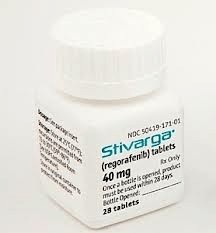
2. Correct use method
1. Follow medical advice: Regorafenib is a prescription drug and must be taken under the guidance of an experienced doctor. Patients must use medicines strictly in accordance with the prescriptions and instructions issued by the doctor.
2. Usage and dosage: The recommended dose is160 mg, once a day, taken orally in the first 21 days of each course of treatment, and 28 days constitute a course of treatment. Take on an empty stomach or with a low-fat or low-calorie diet. Swallow the tablet whole with warm water. Do not break or chew it.
3. Take medicine on time: It is recommended to take medicine at the same time every day to ensure better efficacy of the medicine and to avoid missing doses. Even if your condition improves, you should not stop taking the medicine on your own unless directed by your doctor.
4. Monitoring of adverse reactions: During the use of regorafenib, patients should pay close attention to their physical reactions. If they have adverse reactions such as diarrhea, hypertension, etc., they should seek medical treatment in time and inform the doctor. The doctor will adjust the dose or take other measures based on the specific situation.
5. Note for special groups: Pregnant women, lactating women, children, and patients with severe liver and kidney dysfunction should avoid using regorafenib or use it with caution. Elderly patients should pay special attention to the occurrence of adverse reactions during use.
6. Drug interactions: Regorafenib may interact with certain drugs, affecting drug efficacy or increasing the risk of adverse reactions. Be sure to tell your doctor if you need to take other medicines while taking regorafenib.
In short, as an important anti-tumor drug, regorafenib can bring significant therapeutic effects to patients when used correctly. However, its use must strictly follow medical advice and instructions. Patients should pay close attention to body reactions during use and seek medical advice in time if they feel uncomfortable. At the same time, patients need to understand drug interactions and precautions for special populations to ensure safe and effective medication.
[ 免责声明 ] 本页面内容来自公开渠道(如FDA官网、Drugs官网、原研药厂官网等),仅供持有医疗专业资质的人员用于医学药学研究参考,不构成任何治疗建议或药品推荐。所涉药品可能未在中国大陆获批上市,不适用于中国境内销售和使用。如需治疗,请咨询正规医疗机构。本站不提供药品销售或代购服务。


