
.jpeg)
Can ritexitinib be taken long-term?
Ritlecitinib is an oral, selective Januskinase3(Januskinase span>JAK3) and TEC family kinase inhibitors, mainly used to treat alopecia areata (Alopecia Areata). As an immunomodulator, its main function is to suppress overactive immune cells in the immune system, thereby reducing the attack on hair follicles and promoting hair regeneration. Long-term use of ritixitinib may be necessary for many patients, but suitability for long-term use needs to be assessed on an individual basis.
Ritexitinib is a drug that targets chronic immune diseases. Some patients with alopecia areata may need a longer period of treatment to maintain the effect of hair regeneration. Clinical studies have shown that patients can achieve better hair recovery with continued medication. However, whether long-term use is appropriate requires a comprehensive judgment based on the patient's disease progression, drug effects, and side effects.
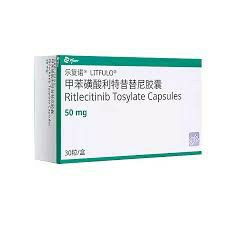
Long-term use of ritexitinib may increase the risk of certain side effects. Since ritexitinib inhibits part of the immune response, long-term use may increase the risk of bacterial and viral infections, such as upper respiratory tract infection, herpes zoster, etc. Patients need to closely monitor symptoms of infection during treatment and seek prompt medical attention. Long-term use of rituxitinib may have effects on liver function, manifested by elevated liver enzymes. Therefore, regular liver function tests are necessary during medication to ensure that liver health is within the normal range. Such as leukopenia, etc., which may further affect the patient's immunity. Therefore, routine blood tests are also very important during long-term medication.
When taking ritexitinib for a long time, patients should maintain close communication with their doctors and conduct regular examinations to ensure the safety of the medication. The doctor will evaluate the efficacy of ritexitinib based on the patient's hair recovery and disease progression, and decide whether the medication needs to be continued or the dosage adjusted. Patients need to promptly report any symptoms of discomfort, such as signs of infection, symptoms of abnormal liver function (such as jaundice, right upper quadrant pain), etc., to the doctor so that the doctor can make corresponding adjustments.
[ 免责声明 ] 本页面内容来自公开渠道(如FDA官网、Drugs官网、原研药厂官网等),仅供持有医疗专业资质的人员用于医学药学研究参考,不构成任何治疗建议或药品推荐。所涉药品可能未在中国大陆获批上市,不适用于中国境内销售和使用。如需治疗,请咨询正规医疗机构。本站不提供药品销售或代购服务。


