
.jpeg)
Detailed explanation of the medical insurance status, reimbursement ratio and conditions of regorafenib
Regorafenib, this multi-target oral anti-cancer drug, has shown impressive efficacy in the treatment of various solid tumors such as colorectal cancer, gastrointestinal stromal tumor and liver cancer. It brings new treatment options to patients by effectively inhibiting tumor angiogenesis and tumor cell proliferation. However, drug costs are often a major concern for patients. So, has regorafenib been included in my country’s medical insurance system? How are the reimbursement ratios and conditions of medical insurance stipulated?
According to relevant news, regorafenib has been successfully included in the scope of medical insurance reimbursement in my country and is classified as a Class B drug in medical insurance. This means that as long as the patient meets the corresponding reimbursement conditions, he or she has the opportunity to obtain medical insurance reimbursement for the cost of the drug. However, it should be noted that due to regional differences in my country's medical insurance policies, the specific reimbursement situation may be different.
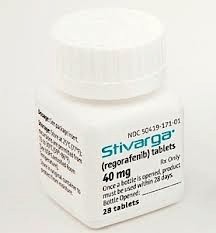
In terms of reimbursement ratio, the medical insurance reimbursement ratio for regorafenib varies in different regions, but it is generally in the range of 50% to 70%. In order to obtain the most accurate reimbursement ratio information, it is recommended that patients consult the local medical insurance department or hospital before using regorafenib.
In addition to the reimbursement ratio, medical insurance reimbursement of regorafenib also needs to meet certain conditions. First of all, the patient's disease must be a solid tumor such as colorectal cancer, gastrointestinal stromal tumor, or liver cancer, and it needs to be confirmed through clinical evaluation and the doctor's professional judgment that regorafenib is suitable for the patient. Secondly, patients must have a certain history of clinical treatment before using regorafenib, including evidence of disease progression after using other chemotherapy drugs, radiotherapy or surgery. This requirement is to ensure that regorafenib is used in patients for whom other treatment modalities are not effective or feasible. Finally, patients also need to submit corresponding evidence of treatment plans, such as clinical diagnosis reports, pathological diagnosis materials, and treatment plans, so that the medical insurance department can understand the patient's disease status and treatment needs.
In addition, because regorafenib is a high-priced drug, patients may have to bear part of the cost even if it is covered by medical insurance. For patients with greater financial pressure, generic drugs can be considered as an alternative, and their prices are relatively more affordable.
In general, regorafenib, as an important anti-tumor drug, has been included in the scope of medical insurance reimbursement in some areas of my country. Specific reimbursement ratios and conditions vary from region to region, so patients should consult the local medical insurance department or hospital in detail before treatment to obtain accurate information. At the same time, during the treatment process, patients should maintain close communication with their doctors to ensure the best treatment results.
[ 免责声明 ] 本页面内容来自公开渠道(如FDA官网、Drugs官网、原研药厂官网等),仅供持有医疗专业资质的人员用于医学药学研究参考,不构成任何治疗建议或药品推荐。所涉药品可能未在中国大陆获批上市,不适用于中国境内销售和使用。如需治疗,请咨询正规医疗机构。本站不提供药品销售或代购服务。


