
.jpeg)
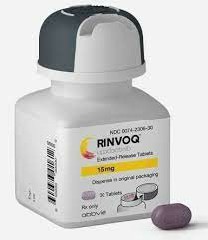
The functions and efficacy of upadatinib sustained-release tablets
Upadacitinib (Upadacitinib) sustained-release tablets are a selective Januskinase 1 (JAK1) inhibitor. It belongs to a new generation of targeted small molecule drugs and is mainly used to treat a variety of immune-mediated chronic inflammatory diseases. By regulating the intracellular JAK-STAT signaling pathway, upadatinib sustained-release tablets can significantly inhibit the production of a variety of inflammatory mediators, thereby alleviating disease symptoms and improving patients' quality of life. The following are its main functions and effects:
1.Mechanism of action
The mechanism of action of upadatinib is to selectively inhibitJAK1 (Januskinase1), thereby regulating the JAK-STAT signaling pathway. JAK1 is an important component in transmitting cytokine signals within cells. The signaling of many inflammatory cytokines depends on the activity of JAK1. By inhibiting JAK1, upadatinib can reduce the release of pro-inflammatory cytokines, such as IL-6, IL-12, IL-23, etc., thereby achieving anti-inflammatory effects. Compared with other JAK inhibitors, upadatinib is more selective for JAK1, which allows it to reduce inflammatory responses while having relatively few side effects.
2.Main indications and efficacy
Rheumatoid Arthritis (RA): Upadatinib extended-release tablets are approved for the treatment of adult patients with moderately to severely active rheumatoid arthritis (RA), particularly those who have had an inadequate response to traditional synthetic antirheumatic drugs (such as methotrexate) or biologics. Rheumatoid arthritis is an autoimmune disease that causes chronic inflammation of the joints, causing joint pain, swelling, and limited movement. Upadatinib can significantly relieve joint pain, reduce inflammatory reactions, and help restore joint function by reducing the production of inflammatory mediators. Its oral dosage form makes medication more convenient for patients and reduces the trouble of injecting biological agents.
Psoriatic arthritis (PsA): Psoriatic arthritis is a form of arthritis related to psoriasis that often causes joint pain and swelling and may affect a patient's skin health. Upatinib extended-release tablets can effectively relieve joint symptoms and reduce the risk of joint damage in patients with psoriatic arthritis. At the same time, it also has a certain effect in improving patients' skin lesions and helping patients relieve skin erythema and itching caused by psoriasis.
Moderate to severe atopic dermatitis (AD): Upadatinib extended-release tablets are also used to treat moderate to severe atopic dermatitis, especially for patients who are ineffective in responding to topical drugs or cannot tolerate systemic treatments. Atopic dermatitis is a chronic inflammatory skin disease in which patients often experience severe itching, dry skin, and erythema. By reducing the release of inflammatory mediators, upadatinib helps reduce the inflammatory response of the skin and reduce the degree of itching, thereby improving the overall condition of the skin. Compared with topical drugs, oral upadatinib extended-release tablets provide patients with a longer-lasting anti-inflammatory effect.
Ankylosing spondylitis (AS): Ankylosing spondylitis is a chronic inflammatory disease that primarily affects the spine and pelvic joints, causing persistent pain and stiffness in the back and waist. Upatinib extended-release tablets are used to treat active ankylosing spondylitis. By inhibiting JAK1, they reduce the inflammatory response in the spine and surrounding joints, helping to relieve pain and improve the mobility of the spine. Its therapeutic effects have been verified in multiple clinical studies, showing significant relief of pain and inflammation.
3.Advantages and Features
Upatinib extended-release tablets have the following advantages compared with otherJAK inhibitors and traditional biological agents:
Higher selectivity: It is more selective for JAK1, which allows it to inhibit inflammation while reducing the inhibitory effect on other JAK family members (such as JAK2, JAK3), thus reducing some side effects related to the blood system.
Convenient oral dosage form: The sustained-release tablet form allows the drug to be released smoothly in the body, reducing fluctuations in blood concentration and improving medication compliance. Patients do not need frequent injections and can conveniently take long-term treatment with oral medications.
Significant clinical efficacy: In multiple clinical trials targeting RA, PsA, AD and AS, upadatinib extended-release tablets have shown significant efficacy, with rapid onset of action and lasting improvement in symptoms.
4.Safety and Precautions
When using upadatinib extended-release tablets, please pay attention to possible adverse reactions, such as upper respiratory tract infection, headache, nausea, increased blood lipids, etc. In severe cases, it may increase the risk of infection, thrombosis, and the occurrence of certain malignant tumors. Therefore, doctors need to fully evaluate the patient before use, and regularly monitor blood routine, liver function and other indicators during medication. It should be used with caution especially in patients with a history of previous infection or risk for cardiovascular disease.
Upadatinib extended-release tablets are an innovativeJAK1 inhibitor with significant anti-inflammatory and immunomodulatory effects. It is suitable for the treatment of a variety of chronic inflammatory diseases, providing a new option for patients who are insensitive to traditional treatments. With its oral convenience, significant efficacy and high safety, upadatinib occupies an important position in the management of immune diseases. However, patients need to be under the guidance of a doctor during use to ensure the safety and therapeutic effect of the medication.
[ 免责声明 ] 本页面内容来自公开渠道(如FDA官网、Drugs官网、原研药厂官网等),仅供持有医疗专业资质的人员用于医学药学研究参考,不构成任何治疗建议或药品推荐。所涉药品可能未在中国大陆获批上市,不适用于中国境内销售和使用。如需治疗,请咨询正规医疗机构。本站不提供药品销售或代购服务。


