
.jpeg)
Everolimus brief medication guide for breast cancer patients
Everolimus (Everolimus), known by the trade name Afinitor, is an important targeted therapy drug, especially suitable for postmenopausal patients with advanced breast cancer who are hormone receptor positive and human epidermal growth factor receptor-2 negative (HR+HER2-). Everolimus is often used in combination with exemestane for therapeutic benefit after failure of letrozole or anastrozole. The following is a brief everolimus dosing guide for breast cancer patients.
1. Preparations before taking medicine
1. Confirmation and testing: Before starting to use everolimus, patients need to undergoHR and HER2 testing in a qualified pathology laboratory to confirm that they meet the conditions of HR positive and HER2 negative before they can be treated with everolimus.
2. Doctor consultation: Everolimus is a prescription drug and must be used under the guidance of a doctor. Patients need to inform the doctor in detail about their personal medical history, allergies and current medications so that the doctor can develop a personalized treatment plan.
2. Dosage and usage instructions
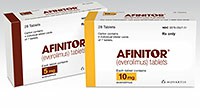
The recommended starting dose of everolimus is 10 mg orally once daily. Patients should take it at the same time every day, with or without food. Take the tablets whole with a glass of water and avoid chewing, crushing, dissolving or breaking the tablets.
3. Precautions when taking medication
1. Avoid drug interactions: Tell your doctor about all medications you are currently taking. Many medicines may interact with everolimus, especially antibiotics, antifungals, heart or blood pressure medicines, medicines to treat hepatitis C or HIV/AIDS, epilepsy medicines, St. John's wort, tuberculosis medicines, or medicines that weaken your immune system. Also, avoid grapefruit and grapefruit juice.
2. Monitor adverse reactions: Everolimus may cause stomatitis, pneumonia, metabolic abnormalities and other side effects. Patients should be followed up regularly to monitor blood sugar, blood lipids, liver function and lung CT. If serious adverse reactions occur, please seek medical treatment immediately and follow the doctor's advice.
4. Continuous treatment and follow-up recommendations
Treatment with everolimus is recommended to be continued until disease progression or intolerable toxicity occurs. Patients should return for regular check-ups and report medication effects and adverse reactions to the doctor so that the doctor can adjust the treatment plan in a timely manner.
In conclusion, everolimus is an effective treatment option for patients with breast cancer. During use, patients must strictly follow medical instructions, pay attention to drug interactions, and monitor adverse reactions. Through reasonable medication management, patients can better control their condition and improve their quality of life.
[ 免责声明 ] 本页面内容来自公开渠道(如FDA官网、Drugs官网、原研药厂官网等),仅供持有医疗专业资质的人员用于医学药学研究参考,不构成任何治疗建议或药品推荐。所涉药品可能未在中国大陆获批上市,不适用于中国境内销售和使用。如需治疗,请咨询正规医疗机构。本站不提供药品销售或代购服务。


