
.jpeg)
The role and therapeutic effect of molotinib
Molotinib, this innovative drug, has shown remarkable results in the treatment of myelofibrosis. As a new oral JAK1/JAK2 and activin α receptor type 1 (ACVR1) inhibitor, molotinib provides a new treatment option for patients with moderate or high-risk myelofibrosis through its unique mechanism.
The main effect of molotinib is reflected in the inhibition ofJAK1/JAK2 kinase activity. This inhibitory effect can block the abnormal activation of the JAK-STAT signaling pathway. In the occurrence and development of myelofibrosis, abnormal activation of the JAK-STAT signaling pathway is a key link, and molotinib acts on this link to achieve the purpose of treating primary myelofibrosis.
In addition to inhibitingJAK1/JAK2, molotinib can also inhibit the activity of ACVR1, which further enhances its effectiveness in the treatment of myelofibrosis. Through this dual inhibitory effect, molotinib can more comprehensively curb the progression of myelofibrosis, thereby helping patients better control the disease.
The U.S.FDA approval ofmolotinib is based on data from the pivotal MOMENTUM study and a subpopulation of adult patients with anemia from the SIMPLIFY-1 Phase III trial.
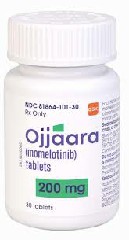
MOMENTUM was designed to evaluate the safety and efficacy of molotinibcompared to danazol in the treatment and reduction of key manifestations of myelofibrosis in anemic, symptomatic, and JAK inhibitor-experienced individuals. The MOMENTUM trial met all primary and key secondary endpoints, demonstrating statistically significant relief in systemic symptoms, splenic responses and transfusion independence in patients treated with molotinib compared with those treated with danazol.
SIMPLIFY-1 was designed to evaluate the efficacy and safety of molotinib versus ruxolitinib in patients with myelofibrosis who were naïve JAK inhibitors. Safety and efficacy results for SIMPLIFY-1 are based on a subset of patients with anemia. The efficacy of molotinib is based on spleen volume response (reduction of 35% or more). Patients treated with molotinib (25%) experienced a 50% or greater reduction in total symptom score at week 24 compared with ruxolitinib (36%).
However, like all drugs, molotinib may be associated with some adverse reactions during use, such as anemia, thrombocytopenia, fatigue, and nausea. Therefore, patients should strictly follow the doctor's instructions when using it to ensure the safety and effectiveness of the medication.
Currently, molotinib has not been launched in the domestic market, so patients in need must purchase it through overseas channels. It is reported that the original research version of molotinib is available in overseas markets, with a specification of 30 tablets per box, 100mg each, and a price of approximately RMB 220,000. In addition, generic drugs of molotinib have also been launched overseas, such as the generic version of Lucius Pharmaceuticals in Laos, which is affordable and only costs less than 3,000 yuan. If patients have more questions about molotinib, it is recommended to consult a professional overseas medical consulting agency.
In general, molotinib, as a new drug for the treatment of myelofibrosis, has brought new hope to patients with its unique mechanism of action and significant efficacy. With the continuous deepening of research on this drug, it is believed that its clinical application will be more extensive in the future.
[ 免责声明 ] 本页面内容来自公开渠道(如FDA官网、Drugs官网、原研药厂官网等),仅供持有医疗专业资质的人员用于医学药学研究参考,不构成任何治疗建议或药品推荐。所涉药品可能未在中国大陆获批上市,不适用于中国境内销售和使用。如需治疗,请咨询正规医疗机构。本站不提供药品销售或代购服务。


