
.jpeg)
Can I stop taking Upatinib for one year?
Upadacitinib, as a selective inhibitor of JAK1, is mainly used to treat chronic immune diseases such as rheumatoid arthritis, atopic dermatitis and ulcerative colitis. These diseases usually have long-term or recurring characteristics, so the length of medication and whether the medication can be discontinued often need to be determined based on the individual's disease control and the doctor's evaluation.
For most patients, upadatinib usually requires long-term use to effectively control symptoms and maintain stable disease. In clinical practice, if a patient's condition significantly improves after taking upadatinib for one year and remains in a stable state for a long time, doctors may consider gradually reducing the dose or evaluating the possibility of discontinuing the drug. However, the ability to completely discontinue treatment depends on a variety of factors, including how well the disease is controlled, how well the patient's symptoms are relieved, and whether there is additional risk of relapse.
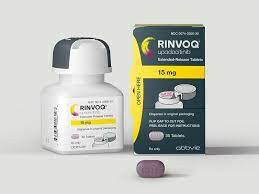
The risk of discontinuation is that it may lead to a rebound or recurrence of the disease, especially for immune system-related diseases, such as rheumatoid arthritis and atopic dermatitis. After discontinuation of medication, the immune system may become reactivated, causing inflammation and symptoms to return. Therefore, before considering discontinuing a medication, your doctor will usually determine whether it is appropriate to gradually reduce the dose or stop the medication entirely through a detailed evaluation, including blood tests and monitoring of the condition.
For some patients, even after taking upadatinib for one year, doctors may still recommend continuing the medication to maintain long-term disease control, because for chronic diseases, long-term medication can help prevent recurrence of the condition and further joint damage or worsening of skin symptoms. During the process of reducing or discontinuing medication, close monitoring is usually required to ensure that the patient's condition remains stable despite reducing the dosage of medication.
In addition, there are individual differences in the response of different patients to drugs. Some patients may respond better to upadatinib and have more obvious symptom relief, so the possibility of discontinuing the drug is relatively high; while other patients may require long-term medication to maintain the stability of their condition. Therefore, the decision to discontinue medication should be made under the guidance of a physician, and patients should not decide to discontinue medication on their own.
[ 免责声明 ] 本页面内容来自公开渠道(如FDA官网、Drugs官网、原研药厂官网等),仅供持有医疗专业资质的人员用于医学药学研究参考,不构成任何治疗建议或药品推荐。所涉药品可能未在中国大陆获批上市,不适用于中国境内销售和使用。如需治疗,请咨询正规医疗机构。本站不提供药品销售或代购服务。


