
.jpeg)
Upatinib drug side effects
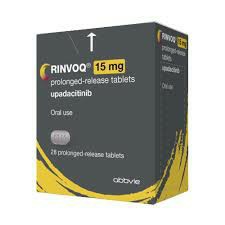
Upadacitinib is a JAK1 selective inhibitor that is widely used to treat immune diseases such as rheumatoid arthritis, atopic dermatitis (eczema) and ulcerative colitis. Although it has significant efficacy in controlling inflammation and relieving symptoms, upadatinib, like other immunosuppressants, is associated with certain side effects and risks. These side effects range from common mild discomfort to more severe reactions, so regular monitoring and physician guidance are required during use. The main side effects of upadatinib are described in detail below.
1. Increased risk of infection
Upper respiratory tract infection: One of the common side effects of upadatinib is upper respiratory tract infection, such as common cold, nasopharyngitis, etc. This is due to the drug suppressing the activity of the immune system, resulting in a decrease in the patient's immune defense capabilities. If patients develop cough, runny nose, sore throat and other symptoms while taking the medicine, they should report to the doctor in time.
Herpes Zoster: Patients taking upadacitinib are at increased risk of developing herpes zoster, particularly in patients with a prior history of herpes zoster. This is becauseJAK1inhibitors may weaken the body's resistance to viral infection.
Serious infections: In rare cases, upadacitinib may cause more serious infections, including pneumonia, skin and soft tissue infections, etc. If patients develop symptoms such as fever, difficulty breathing, or skin redness and swelling during medication, they need to seek medical attention immediately and evaluate whether the treatment plan needs to be adjusted.
2. Abnormal blood system
Neutropenia: Upadatinib may cause neutropenia, reducing the patient's ability to fight infections. While taking the drug, doctors usually monitor the patient's blood routine regularly to detect changes in the number of white blood cells and neutrophils. If neutrophil levels decrease significantly, medication may need to be suspended or dosage adjusted.
Anemia and thrombocytopenia: In some cases, upadacitinib may cause anemia or a decrease in the number of platelets. Symptoms of anemia include fatigue, dizziness, and pale skin, while low platelets may increase a patient's risk of bleeding, such as skin bruising or gum bleeding.
3. Abnormal liver function
Elevated liver enzymes: Patients taking upadacitinib may experience an increase in liver function indicators during treatment, mainly increased levels of ALT (alanine aminotransferase) and AST (aspartate aminotransferase). Although in most cases this change is mild, in rare cases a dose adjustment or medication suspension may be necessary. Therefore, doctors will regularly monitor liver function during treatment to ensure that it is within a safe range.
Risk of jaundice and hepatitis: In rare cases, patients may develop symptoms of jaundice or drug-induced hepatitis, such as yellowing of the skin or whites of the eyes, loss of appetite, etc. If these symptoms occur, stop taking the medicine immediately and seek medical help.
4. Elevated blood lipid levels
Upadatinib may cause increases in blood lipid levels (such as total cholesterol, low-density lipoproteinLDL, and high-density lipoproteinHDL). This increase is usually most significant in the first few months of treatment, so doctors will regularly test patients' blood lipid levels and prescribe lipid-lowering therapy if necessary.
5. Cardiovascular risk
Thrombus formation: Upadatinib may increase the risk of venous thrombosis, including deep vein thrombosis (DVT) and pulmonary embolism (PE). This risk is particularly important in patients with a history of blood clots. If patients experience symptoms such as leg swelling, shortness of breath, or chest pain while taking the medicine, they should seek medical attention immediately.
Cardiovascular events: Long-term use of upadatinib may increase the risk of cardiovascular events, such as myocardial infarction and stroke, in some patients. This risk is higher in patients with a history of cardiovascular disease, so cardiovascular risk needs to be assessed before treatment.
6. Gastrointestinal symptoms
Common gastrointestinal adverse reactions include nausea, abdominal pain and diarrhea. In most cases, these symptoms are mild and can be relieved by adjusting diet or taking gastrointestinal protective medications. However, if symptoms persist or are severe, you should talk to your doctor to evaluate whether treatment needs to be adjusted.
7. Skin reaction
Upatinib may cause rash, itching and other adverse skin reactions. Although most of these skin reactions are mild, in rare cases severe skin allergic reactions, such as erythema multiforme or drug-induced rash, may occur. In this case, the patient needs to stop taking the medication immediately and seek medical attention.
Upadatinib is effective in treating chronic diseases such as atopic dermatitis and rheumatoid arthritis, but its use may be accompanied by a variety of side effects, ranging from common infection risks to rare serious adverse reactions. In order to obtain the best efficacy and minimize the risks during treatment, patients should strictly follow the doctor's medication instructions and undergo necessary examinations regularly, such as routine blood tests, liver function and blood lipid level testing. At the same time, if patients experience symptoms of discomfort while taking the medicine, they should report it to the doctor in time and adjust the treatment plan if necessary. Through close doctor-patient communication and regular monitoring, the side effects of upadatinib can be effectively managed.
[ 免责声明 ] 本页面内容来自公开渠道(如FDA官网、Drugs官网、原研药厂官网等),仅供持有医疗专业资质的人员用于医学药学研究参考,不构成任何治疗建议或药品推荐。所涉药品可能未在中国大陆获批上市,不适用于中国境内销售和使用。如需治疗,请咨询正规医疗机构。本站不提供药品销售或代购服务。


