
.jpeg)
Everolimus Drug Overview and Standard Usage and Dosage Guidelines
Everolimus (Everolimus), an inhibitor of mTOR (mammalian target of rapamycin), has shown significant clinical value in the field of tumor treatment. It effectively inhibits the growth and proliferation of tumor cells by blocking cell signaling and interfering with cell synthesis processes. Currently, everolimus has been widely used in the treatment of hormone receptor-positive, HER2-negative breast cancer, neuroendocrine tumors (NET), renal cell carcinoma, and tuberous sclerosis (TSC)-related diseases.
For different diseases, the standard usage and dosage of everolimus are as follows:
1. Hormone receptor positive, HER2 negative breast cancer
For such patients, the recommended dose of everolimus is 10 mg orally daily, and treatment is continued until the disease worsens or the patient develops intolerable toxicity.
2. Neuroendocrine tumors (NET)
The recommended dose of everolimus for patients with neuroendocrine tumors is also 10 mg orally daily with treatment continued until disease progression or unacceptable toxicity.
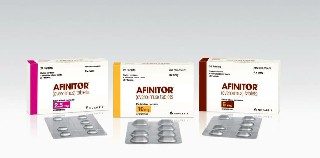
3. Renal cell carcinoma
The recommended dose of everolimus for patients with renal cell carcinoma is 10 mg orally daily, which is intended to delay disease progression, with treatment continuing until disease progression or toxicity occurs.
4. Tuberous sclerosis (TSC) related diseases
1) Patients with renal angiomyolipoma: Take everolimus 10 mg orally daily until the disease worsens or the toxicity is unacceptable.
2) Subependymal giant cell astrocytoma (SEGA) patients: The recommended starting dose is 4.5 mg/m² orally daily, calculated based on the patient's body surface area, and treatment continues.
3) Patients with partial-onset epilepsy: The recommended dose is daily oral administration of 5mg/m², aiming to control epileptic seizures, and treatment continues until disease progression or toxic reactions occur.
When using everolimus, patients should pay attention to the following:
1. Closely monitor possible side effects, such as stomatitis, rash, fatigue, etc., and report any discomfort symptoms to your doctor in a timely manner.
2. Everolimus may interact with other drugs, so you should inform your doctor about all the drugs you are using before use, including prescription drugs, over-the-counter drugs, natural products, vitamins, etc.
In summary, everolimus, as an important anti-tumor drug, plays a key role in the treatment of various cancers. However, ensuring correct usage and dosage is crucial to ensure therapeutic effectiveness and reduce side effects. Patients should strictly follow medical instructions when using it and pay close attention to body reactions.
[ 免责声明 ] 本页面内容来自公开渠道(如FDA官网、Drugs官网、原研药厂官网等),仅供持有医疗专业资质的人员用于医学药学研究参考,不构成任何治疗建议或药品推荐。所涉药品可能未在中国大陆获批上市,不适用于中国境内销售和使用。如需治疗,请咨询正规医疗机构。本站不提供药品销售或代购服务。


