
.jpeg)
Analysis of instructions for using ritexitinib in patients with alopecia areata
1. Basic introduction to drugs
Ritlecitinib, as a new oral small molecule drug, has demonstrated unique efficacy in the treatment of alopecia areata (Alopecia Areata) due to its highly selective inhibition of Janus kinase (JAK). The drug mainly acts on JAK3 and TEC family kinases, and brings new treatment hope to patients with alopecia areata by regulating abnormal responses of the immune system.
2. Indications and efficacy
Ritexitinib is particularly indicated for the treatment of patients with moderate to severe alopecia areata. Alopecia areata, an autoimmune disease caused by the immune system mistakenly attacking hair follicles, often causes hair loss on the scalp and elsewhere. Through its unique pharmacological effects, ritexitinib can effectively control the disease and promote hair regeneration, providing a new option for patients who cannot effectively control the disease through other treatments.
3. In-depth pharmacological mechanism
The pharmacological mechanism of action of ritexitinib is that it can inhibit the JAK3 and TEC family kinases, thereby blocking the JAK-STAT signaling pathway. This pathway plays a crucial role in immune cell signaling, especially during cytokine signaling. By inhibiting this pathway, ritexitinib can regulate overactive immune responses and reduce immune attacks on hair follicles, thereby helping to restore hair follicle function and promote hair regeneration.
4. Detailed Medication Guide
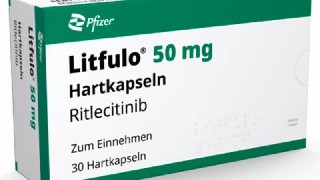
1.Usage and dosage: The recommended starting dose of ritixitinib is 1 times a day, 50mg each time, and it must be taken strictly under the guidance of a doctor. During the treatment process, the doctor will adjust the dose in a timely manner based on the patient's disease progression and drug tolerance. At the same time, it is recommended that patients take it at the same time every day to ensure the stability of the drug concentration.
2.How to take: Ritexitinib is an oral preparation. Patients can choose to take it with food or on an empty stomach according to personal habits.
3.Treatment schedule: Due to individual differences, the length of the treatment will vary. Typically, patients notice significant results after 12 to 24 weeks of use. The specific duration of treatment should be determined by the doctor based on the patient's condition and efficacy.
5. Important matters needing attention
1. Liver function monitoring: Ritexitinib may have an impact on liver function. Therefore, patients should undergo baseline liver function tests before starting treatment and review them regularly during treatment.
2.Risk of infection: Because this drug works by suppressing the immune system, patients may face an increased risk of infection during treatment. If symptoms of infection occur, seek medical attention promptly.
3. Blood routine monitoring: In order to ensure that patients will not suffer from immunosuppression or anemia symptoms due to the influence of drugs, blood routine monitoring should be carried out regularly during treatment.
4. Pregnancy and lactation: The safety of ritexitinib during pregnancy has not been established. Pregnant women or women planning pregnancy should inform their doctor before use and avoid use during pregnancy. At the same time, breastfeeding women need to be particularly cautious when using this drug.
6. Taboos and adverse reactions
This drug should be contraindicated in patients with a history of hypersensitivity to ritexitinib or any of its components, as well as in patients with severe active infection. In addition, pregnant and breastfeeding women should avoid use unless a doctor determines that the benefit to the mother outweighs the potential risk to the fetus or baby. During use, patients may encounter some adverse reactions, such as infection-related symptoms, gastrointestinal symptoms, neurological symptoms, and skin reactions. Most adverse reactions are mild to moderate, but if serious adverse reactions occur, the drug should be stopped immediately and seek medical attention.
7. Drug interactions and medication use in special populations
The potential for drug interactions and increased risk of infection should be carefully evaluated when used concurrently with other immunosuppressants. In addition, since ritexitinib is mainly metabolized by CYP3A4 enzyme, when used in combination with strong inhibitors or inducers of CYP3A4, it may affect the blood concentration of the drug, and the dose should be adjusted carefully. For elderly patients and children and adolescents under 18 years of age, special caution is required when using ritixitinib, and relevant indicators must be closely monitored.
8. Storage and Price Information
Ritexitinib should be stored in a cool, dry place below 25℃, away from direct sunlight and humid environment, and ensure that it is out of reach of children. In the Chinese market, ritexitinib is already on the market, but has not yet been included in the national medical insurance directory. Therefore, the patient is responsible for the cost. Specific prices vary by region and hospital, and patients are advised to consult their local hospital pharmacy for accurate information before purchasing medicines.
In summary, ritexitinib, as a highly efficient and selective JAK inhibitor, provides a new treatment method for patients with alopecia areata. Although it may face certain side effects and cost pressure during use, its advantages in improving patients' quality of life make it a promising therapeutic drug. Patients should understand the properties of the drug in detail before use and conduct scientific and reasonable treatment under the guidance of a doctor.
[ 免责声明 ] 本页面内容来自公开渠道(如FDA官网、Drugs官网、原研药厂官网等),仅供持有医疗专业资质的人员用于医学药学研究参考,不构成任何治疗建议或药品推荐。所涉药品可能未在中国大陆获批上市,不适用于中国境内销售和使用。如需治疗,请咨询正规医疗机构。本站不提供药品销售或代购服务。


