
.jpeg)
Analysis of the drug resistance problem of upadatinib
Upadatinib, as a highly targeted and selective JAK1 inhibitor, plays an important role in the treatment of immune-related diseases such as rheumatoid arthritis and atopic dermatitis. However, when using this drug for a long time, some patients may face the problem of drug resistance, that is, the drug's effectiveness in controlling the disease gradually decreases.
There is no clear clinical time point for the development of resistance to upadatinib. This is mainly affected by a variety of factors, including individual patient differences, disease type, drug dosage and treatment frequency. For some patients, upadatinib may still maintain good efficacy after several months or one or two years; while for other patients, the efficacy of the drug may weaken within just a few months.
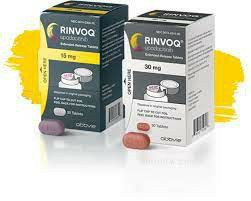
The development of drug resistance is often related to the adaptation of the patient's immune system to the drug's mechanism of action. When upadatinib acts on the JAK1 pathway for a long time, the patient's immune system may partially offset the effect of the drug through other pathways or mechanisms, resulting in a gradual weakening of the drug's effect. In addition, the complexity of the disease and the patient's own metabolic status will also have an impact on the development of drug resistance.
If after long-term use of upadatinib, patients find that symptoms that were originally controlled reappear or worsen, such as joint pain, skin symptoms, etc., becoming difficult to control, this may be a sign of drug resistance. At this time, the doctor will adjust the treatment plan according to the patient's specific situation, which may include increasing the dose of the drug, switching to other drugs, or combining it with other drugs to enhance the therapeutic effect.
In order to reduce the occurrence of drug resistance, patients should strictly follow the doctor's instructions when using upadatinib and avoid arbitrarily adjusting the dose or interrupting treatment. At the same time, regular review and monitoring of changes in the condition are also crucial, which helps doctors adjust the medication regimen in a timely manner, delay the occurrence of drug resistance, and ensure that patients obtain the best therapeutic effect.
[ 免责声明 ] 本页面内容来自公开渠道(如FDA官网、Drugs官网、原研药厂官网等),仅供持有医疗专业资质的人员用于医学药学研究参考,不构成任何治疗建议或药品推荐。所涉药品可能未在中国大陆获批上市,不适用于中国境内销售和使用。如需治疗,请咨询正规医疗机构。本站不提供药品销售或代购服务。


