
.jpeg)
Upatinib Medication Guide: Be alert to key contraindications to ensure safe treatment
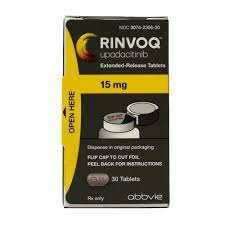
Upadacitinib, as an advanced selective JAK1 inhibitor, has shown excellent efficacy in the treatment of rheumatoid arthritis, atopic dermatitis and other immune-related diseases. However, in order to ensure patient safety, potential contraindications and special precautions must be taken seriously. The following is a detailed explanation of the main contraindications of upadatinib, aiming to help patients better understand and follow the doctor's instructions to achieve safe and effective treatment.
1. Contraindicated for those with allergic reactions
The use of this drug should be strictly avoided in patients with an allergic reaction to upadatinib or any of its excipients. Anaphylaxis may cause severe symptoms such as rash, itching, difficulty breathing, etc. Once discovered, you should stop taking the drug and seek medical treatment immediately.
2. Use with caution in patients with active severe infection
While inhibiting theJAK1 signaling pathway, upadatinib may have a certain inhibitory effect on the immune system, thereby increasing the risk of infection. Therefore, patients with active severe infections, such as active tuberculosis, sepsis, pneumonia, etc., should not use upadacitinib. Doctors should comprehensively assess the patient's infection status before treatment and, if necessary, postpone medication until the infection is effectively controlled.
3. Patients with a history of tuberculosis need to be particularly careful
For patients with a past history of tuberculosis, strict tuberculosis screening must be performed before using upadacitinib to ensure that tuberculosis is in an inactive state. At the same time, preventive anti-tuberculosis drugs may need to be given during treatment to reduce the risk of recurrence.
4. Use with caution in patients with severe liver function impairment
Upadatinib is primarily metabolized in the liver and should be used with caution in patients with severe hepatic impairment. Taking it in such patients may lead to an increase in blood drug concentration and increase the risk of adverse reactions. Doctors should adjust the dose or choose other treatment options based on the patient's liver function.
5. Contraindicated for pregnant and lactating women
There is currently insufficient clinical data to confirm the safety of upadatinib during pregnancy or lactation, so its use is not recommended for pregnant and lactating women. JAK1Inhibitors may have an impact on the growth and development of the fetus. Women planning pregnancy should discuss the risks of medication in detail with their doctors. At the same time, breastfeeding is not recommended during the period of use to avoid the drug affecting the baby's health through breast milk.
6. Patients with thrombotic diseases need to assess their risks
Some patients may be at increased risk of thrombotic events after using upadatinib. For patients with a history of thrombosis, such as deep vein thrombosis, arterial embolism, etc., a comprehensive risk assessment should be conducted before use and necessary preventive measures should be taken. Doctors need to weigh the pros and cons of treatment to decide whether it is appropriate to continue using it.
7. Patients with immunosuppressive diseases need to be cautious
Upadatinib has modulatory effects on the immune system and should be used with caution in patients with other immunosuppressive diseases. The use of immunosuppressants in these patients may lead to an increased risk of infection, and they need to be treated under strict supervision by doctors, and the dosage and medication regimen must be adjusted.
8. Patients with severe renal insufficiency require monitoring
Renal insufficiency will affect the excretion process of drugs, leading to increased blood drug concentrations and increasing the risk of side effects. Therefore, patients with severe renal insufficiency need to be cautious when using upadacitinib and regularly monitor renal function indicators so that doctors can adjust the treatment plan in a timely manner.
9. Patients with a history of cancer need special attention
Upadatinib may increase the risk of certain types of tumors, especially with long-term use. For patients with a history of cancer, such as malignant lymphoma, skin cancer, etc., special caution is required when using this drug. Doctors should decide whether it is appropriate to continue treatment based on the patient's individual situation, and conduct regular examinations and monitoring during treatment.
In summary, upadatinib has significant efficacy in the treatment of immune diseases such as rheumatoid arthritis and atopic dermatitis, but there are some key contraindications and special precautions during its use. Patients should fully understand their own conditions before use and strictly follow the doctor's instructions to ensure safe and effective medication. Through careful medication management and regular review, patients can better control their condition during treatment while reducing medication risks.
[ 免责声明 ] 本页面内容来自公开渠道(如FDA官网、Drugs官网、原研药厂官网等),仅供持有医疗专业资质的人员用于医学药学研究参考,不构成任何治疗建议或药品推荐。所涉药品可能未在中国大陆获批上市,不适用于中国境内销售和使用。如需治疗,请咨询正规医疗机构。本站不提供药品销售或代购服务。


