
.jpeg)
Cabergoline instructions, indications, usage and dosage, side effects
Cabergoline, this drug, has become a shining star in the medical field with its unique pharmacological effects and wide range of clinical applications. As a synthetic ergot derivative, cabergoline has brought hope and curative effect to many patients with its powerful, long-acting and selective dopamine receptor agonism. Below, we will discuss in detail the indications, dosage and possible side effects of cabergoline.
Cabergoline is mainly used to treat a variety of diseases. Its remarkable efficacy is due to its ability to stimulate dopamineD2 receptors, thereby exerting pharmacological effects. In the treatment of hyperprolactinemia, cabergoline can effectively inhibit the secretion of prolactin, and its inhibitory effect lasts for two weeks, providing patients with a lasting therapeutic effect. In addition, cabergoline has also shown excellent results in the treatment of Parkinson's disease. Especially for patients who cannot tolerate or no longer respond to levodopa, cabergoline has become a new treatment option. It not only improves patients' daily activities, but also reduces the need for other Parkinson's medications to some extent.
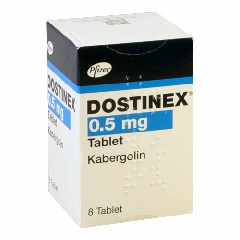
When it comes to the dosage of cabergoline, we need to determine it based on the patient's specific situation and the doctor's guidance. Generally speaking, the recommended initial dose of cabergoline is 0.25 mg twice weekly. However, different conditions may require different medication regimens. For example, dosage may vary in adult patients when treating hyperprolactinemia. It is important that patients follow their doctor's instructions when taking cabergoline and make adjustments based on efficacy and side effects.
However, like many medications, cabergoline may come with some side effects. Although these side effects may not occur in every patient, they still require our attention. Common side effects include head discomfort such as dizziness and headache, which may be caused by a drop in blood pressure caused by the drug. In addition, gastrointestinal discomfort is also one of the common side effects, manifesting as nausea, vomiting and other symptoms. To avoid these discomforts, patients are advised not to take cabergoline on an empty stomach. Some patients may also experience neurological discomfort, such as nasal congestion, hallucinations, confusion, etc. Although these side effects are rare, patients should seek medical attention immediately if they occur.
In addition to the common side effects mentioned above, long-term use or high-dose use of cabergoline may cause more serious adverse reactions. For example, it may cause cardiovascular problems such as arrhythmia and worsening of angina. Therefore, patients should undergo regular physical examinations while taking cabergoline to detect and deal with any potential problems in a timely manner.
In general, cabergoline, as an important therapeutic drug, plays an important role in the treatment of hyperprolactinemia, Parkinson's disease and other diseases. However, like other medications, it may come with some side effects. Therefore, patients should consult their doctor before use to understand the potential risks and precautions to ensure the safety and effectiveness of the drug. At the same time, if any discomfort or abnormal reaction occurs during medication, you should seek medical treatment immediately and consult a professional doctor.
[ 免责声明 ] 本页面内容来自公开渠道(如FDA官网、Drugs官网、原研药厂官网等),仅供持有医疗专业资质的人员用于医学药学研究参考,不构成任何治疗建议或药品推荐。所涉药品可能未在中国大陆获批上市,不适用于中国境内销售和使用。如需治疗,请咨询正规医疗机构。本站不提供药品销售或代购服务。


