
.jpeg)
Guidelines and important safety instructions for the use of platinib in the treatment of non-small cell lung cancer
Platinib, an innovative receptor tyrosine kinaseRET inhibitor, has shown encouraging efficacy in the treatment of locally advanced or metastatic adult non-small cell lung cancer harboring RET gene fusion positivity. This article aims to comprehensively explain the specific application guidelines of platinib in the treatment of non-small cell lung cancer, as well as the safety matters that patients need to pay special attention to.
The standard therapeutic dose of Platinib is set at 400 mg once daily and must be taken on an empty stomach. This means that patients need to fast for at least 2 hours before and 1 hour before and after taking platinib to ensure that the drug can work effectively.
During treatment, patients need to closely monitor their health, especially blood pressure levels, liver function, and blood system conditions. Platinib may cause side effects such as high blood pressure and liver damage. Therefore, it is important to regularly monitor blood pressure, conduct routine blood tests and liver function tests so that any abnormalities can be detected and properly handled in a timely manner. If the patient develops signs of serious adverse reactions such as interstitial lung disease/non-infectious pneumonia, such as dyspnea, cough and fever, he should stop using Platinib immediately and seek medical treatment quickly.
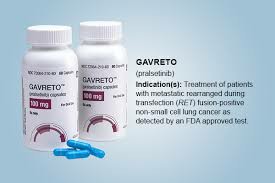
At the same time, patients need to be alert to possible interactions between platinib and other drugs. In particular, potent CYP3A inhibitors and inducers may affect the concentration of Platinib in the body, thereby interfering with its therapeutic effect and safety. Therefore, while taking platinib, patients should inform their doctor in detail about all the drugs they are taking so that the doctor can make appropriate medication adjustments.
In addition, platinib is not suitable for all patients with non-small cell lung cancer. Platinib is contraindicated in patients with uncontrolled hypertension, pregnant women, and individuals allergic to any component of the drug. Therefore, before initiating platinib, patients should receive a thorough physical evaluation to ensure eligibility.
In addition to drug treatment, patients with non-small cell lung cancer should also focus on adjustments to lifestyle and dietary habits. Quitting smoking and limiting alcohol, maintaining a balanced diet, ensuring adequate nutritional intake, and engaging in moderate exercise can all help improve physical fitness and immunity, thereby better coping with disease challenges.
In summary, platinib, as an emerging drug in the treatment of non-small cell lung cancer, has brought new hope to many patients. However, patients must strictly abide by the doctor's instructions during use, pay close attention to their own health conditions, avoid drug interactions, and combine healthy lifestyle and dietary habits to comprehensively improve treatment effects and quality of life.
[ 免责声明 ] 本页面内容来自公开渠道(如FDA官网、Drugs官网、原研药厂官网等),仅供持有医疗专业资质的人员用于医学药学研究参考,不构成任何治疗建议或药品推荐。所涉药品可能未在中国大陆获批上市,不适用于中国境内销售和使用。如需治疗,请咨询正规医疗机构。本站不提供药品销售或代购服务。


