
.jpeg)
How many years can you take Lynparza/Olaparib for the longest time, and how long do you usually take it?
Olaparib/Olaparib (Olaparib) is a targeted therapy drug that targets specific gene mutations and is mainly used to treat cancers related to BRCA mutations. The duration and duration of treatment usually depend on the patient's specific circumstances, disease progression, and physician judgment.
For first-line maintenance treatmentof BRCA-mutated advanced ovarian cancer, olaparib is usually continued until disease progression, unacceptable toxicity, or completion of 2 years of treatment. At the 2nd year of treatment, if the patient achieves a complete response, that is, there is no radiographic evidence of disease, it is recommended to discontinue treatment. However, for patients who still have evidence of disease at year 2, there may be an option to extend treatment if the treating provider believes continued treatment may provide further benefit.
In the first-line maintenance therapy combined with bevacizumabIn the regimen of HRD-positive advanced ovarian cancer, the treatment principles are similar to the above. Treatment can be continued until disease progression, unacceptable toxicity, or completion of the 2-year course. During this period, the use of bevacizumab should continue for 15 months, including chemotherapy and maintenance treatment phases.
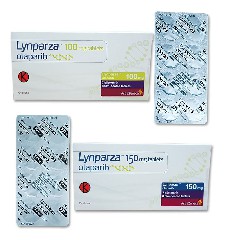
For germlineBRCA-mutated HER2-negative high-risk early-stage breast cancer, the adjuvant treatment time with olaparib is usually 1 year. This time frame refers to treatment without disease recurrence or unacceptable toxicity. Likewise, in the treatment of patients with hormone receptor-positive HER2-negative breast cancer, olaparib needs to be combined with endocrine therapy, in accordance with current clinical guidelines.
In other indications such as recurrent ovarian cancer, HER2-negative metastatic breast cancer, metastatic pancreatic cancer, and HRR-mutated metastatic castration-resistant prostate cancer, the use of olaparib is usually continued until disease progression or unacceptable toxicity occurs. In these cases, treatment is more flexible and can be tailored to the patient's actual condition.
In addition, forBRCA-mutated metastatic castration-resistant prostate cancer, if abiraterone is combined with prednisone or prednisolone, the treatment process also follows the principle of until the disease worsens or the toxicity is unacceptable. Moreover, such patients should also receive gonadotropin-releasing hormone (GnRH) analog therapy at the same time or consider bilateral orchiectomy to enhance the therapeutic effect.
However, long-term use of olaparib may also lead to the development of dependence or tolerance. In this case, your doctor may recommend alternative treatment options. Therefore, patients need to maintain close communication with their doctors to jointly develop a personalized treatment plan to ensure the best treatment effect and quality of life.
To sum up, the treatment time of olaparib varies depending on the patient's condition and treatment response, and is usually between1 to 2 years, but may also be adjusted according to specific circumstances. Patients need to communicate closely with their doctors during the treatment process and promptly evaluate treatment effects and tolerance to formulate the most appropriate treatment plan.
[ 免责声明 ] 本页面内容来自公开渠道(如FDA官网、Drugs官网、原研药厂官网等),仅供持有医疗专业资质的人员用于医学药学研究参考,不构成任何治疗建议或药品推荐。所涉药品可能未在中国大陆获批上市,不适用于中国境内销售和使用。如需治疗,请咨询正规医疗机构。本站不提供药品销售或代购服务。


