
.jpeg)
Will resistance to ritexitinib develop? How to deal with drug resistance?
Ritlecitinib is a JAK3 inhibitor widely used to treat autoimmune diseases, especially alopecia areata. Although it shows good efficacy in many patients, in some cases resistance may develop. Understanding resistance mechanisms and how to deal with them is crucial to optimizing treatment options.
1. Resistance mechanism
Gene mutation: Some patients may develop mutations in theJAK gene after long-term use of ritexitinib. These mutations can lead to structural changes in the target, making the drug unable to bind effectively, resulting in a weakened therapeutic effect.
Immune system adaptation: The immune system may adapt to the inhibitory effects of drugs by changing the expression of cytokines and their receptors, or by other means. This adaptive change may make an originally effective treatment plan gradually lose its effectiveness.
Drug metabolism changes: The patient's metabolic status may change over time, which may affect the bioavailability and clearance rate of the drug, thereby affecting the efficacy of the drug.
2. Treatment methods after drug resistance
Regular monitoring and evaluation: For patients receiving ritexitinib, it is important to conduct regular evaluations of efficacy and safety. Doctors can judge the possibility of drug resistance by observing changes in symptoms, hair regrowth, and laboratory tests.
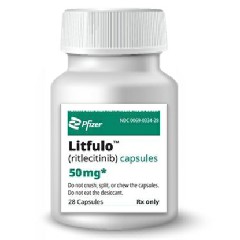
Medication adjustment:
If a patient develops resistance to ritexitinib, doctors may consider adjusting the treatment plan, including:
Dose adjustment: Appropriately increasing the dose of ritexitinib may reactivate the efficacy of the drug.
Combination therapy: Consider combining rituxitinib with other immunomodulatory drugs or targeted therapies to enhance the therapeutic effect.
Change drugs: If resistance persists, doctors may recommend switching to other types of drugs. For example, consider using other types ofJAKinhibitors or new biologics, which may have different mechanisms of action and be effective in combating resistance.
Clinical trials: For drug-resistant patients, participating in clinical trials is also a feasible option. Many new drugs and treatment options are under investigation, and participation in clinical trials may provide new treatment opportunities for patients.
Supportive treatments: While waiting for new treatment options, patients can receive supportive treatments, such as topical medications, laser treatments, or other adjuvant therapies, to help relieve symptoms and promote hair regrowth.
The phenomenon of drug resistance may have a negative impact on patients' mental health. Therefore, patients and their families should pay attention to psychological support and education. Doctors can provide the latest information about the disease and its treatment, help patients understand the possibility of drug resistance, and maintain a positive attitude.
The phenomenon of resistance to ritixitinib may affect its effectiveness in the treatment of autoimmune diseases such as alopecia areata, but this challenge can be effectively met through regular monitoring, drug adjustment, replacement therapy and clinical trials. Patients should maintain good communication with their doctors, regularly evaluate treatment effects, and jointly develop a reasonable treatment plan to ensure the continued effectiveness of treatment. When dealing with drug resistance, psychological support and education are equally important for patients to help them better cope with changes and challenges during treatment.
[ 免责声明 ] 本页面内容来自公开渠道(如FDA官网、Drugs官网、原研药厂官网等),仅供持有医疗专业资质的人员用于医学药学研究参考,不构成任何治疗建议或药品推荐。所涉药品可能未在中国大陆获批上市,不适用于中国境内销售和使用。如需治疗,请咨询正规医疗机构。本站不提供药品销售或代购服务。


