
.jpeg)
Overview of side effects and countermeasures of Vancevi
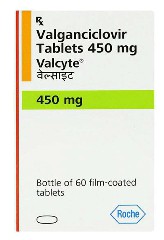
Valganciclovir (Valganciclovir), whose generic name is Valganciclovir Hydrochloride Tablets, is a key antiviral drug in the treatment of CMV (cytomegalovirus) infection. But like many drugs, Vancevi may also cause some side effects during treatment. Understanding these potential side effects and strategies to deal with them is crucial to ensuring patient safety.
1. Possible side effects of Vancevi
1. Allergic Reaction Warning: A very small number of patients may experience allergic reactions after taking Vancevir. Symptoms include hives, difficulty breathing, and swelling of the face, lips, tongue, or throat. Once you notice these symptoms, you should stop taking your medication and seek medical help immediately.
2. Risk of serious infection: During treatment with Vancevir, patients may face an increased risk of serious infection. If you develop fever, chills, fatigue, flu-like symptoms, or feel dizzy or short of breath, or if you develop signs of infection such as mouth and tongue sores, skin ulcers, pale skin, cold hands and feet, susceptibility to injury, or abnormal bleeding (such as bleeding from the nose, mouth, vagina, or rectum), you should contact your doctor immediately.
3. Be wary of specific symptoms: If a patient, especially the elderly, develops symptoms such as seizures (convulsions), pain or burning when urinating, pain or swelling near the transplanted organ, or kidney problems (such as little or no urine, painful or difficult urination, swelling of the feet or ankles, fatigue, or shortness of breath), especially the elderly, they should seek medical attention immediately.
4. Common side effects: Common side effects of Vancevir may include fever, chills, fatigue, mouth ulcers, skin ulcers, susceptibility to injury, abnormal bleeding, dizziness, shortness of breath, pain or burning sensation during urination, nausea, vomiting, diarrhea, headache, tremors, sleep problems (such as insomnia), and cold symptoms (such as nasal congestion, sneezing, sore throat), etc.
2. Coping strategies
1. Emergency medical treatment: For severe allergic reactions, signs of infection, or specific symptoms (such as seizures, kidney problems, etc.), patients should stop taking the drug immediately and seek medical attention.
2. Close monitoring: During treatment, patients should pay close attention to their physical condition, especially the occurrence of the above symptoms. If you have any concerns or discomfort, you should communicate with your doctor in time.
3. Follow the doctor’s instructions: Patients should use the medicine strictly according to the doctor’s prescription and guidance, and are not allowed to adjust the dosage or stop the medicine on their own.
4. Maintain communication between doctors and patients: During the treatment period, patients should maintain close contact with their doctors and have regular follow-up visits so that doctors can adjust treatment plans in a timely manner according to their condition.
To sum up, Vancevir plays an important role inthe treatment of CMV infection. However, in order to ensure the safety and effectiveness of the treatment, patients should pay close attention to possible side effects during use and adopt corresponding coping strategies.
[ 免责声明 ] 本页面内容来自公开渠道(如FDA官网、Drugs官网、原研药厂官网等),仅供持有医疗专业资质的人员用于医学药学研究参考,不构成任何治疗建议或药品推荐。所涉药品可能未在中国大陆获批上市,不适用于中国境内销售和使用。如需治疗,请咨询正规医疗机构。本站不提供药品销售或代购服务。


