
.jpeg)
Lorlatinib (lorlatinib) side effects overview and coping strategies
Lorlatinib (Lorlatinib, also known as lorlatinib), this targeted therapy drug for ALK (anaplastic lymphoma kinase)-positive metastatic non-small cell lung cancer (NSCLC), although effective, may also cause a series of side effects during use. In order to ensure the safety and quality of life of patients, it is particularly important to understand these side effects and their coping strategies.
One of the common side effects of lorlatinib is swelling of the arms, hands, legs, or feet, which may be related to the drug's effects on fluid balance or lymphatic drainage. To relieve this symptom, patients can try elevating the affected limb, performing gentle massage, or wearing compression stockings to promote fluid circulation and reduce swelling. At the same time, maintaining moderate exercise and eating properly are also effective ways to relieve swelling.
In addition, numbness, tingling, or burning in the hands or feet are also common neurological side effects of lorlatinib, which may be related to the drug's slight effect on nerve endings. To reduce these discomforts, patients can try warm water soaks, gentle massage, or neuromodulation exercises. If symptoms persist or worsen, you should consult a doctor promptly for more professional advice and treatment.
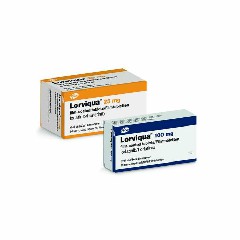
Patients may also experience fatigue, weight gain, and joint pain while taking lorlatinib. These symptoms may be related to the drug's effects on metabolism, immune system, and joint health. To cope with fatigue, patients should ensure adequate rest, arrange daily activities appropriately, and avoid overexertion. In response to weight gain, patients should pay attention to diet control, avoid high-calorie and high-fat foods, and increase moderate exercise. For joint pain, you can use hot or cold compresses or use painkillers as directed by your doctor.
In addition to the common side effects listed above, lorlatinib may cause diarrhea, unusual changes in mood or behavior, hallucinations, and problems with speech, thinking, or memory. For diarrhea, patients should pay attention to replenishing water to avoid dehydration, and adjust their diet to avoid eating irritating foods. If problems such as abnormal changes in mood or behavior, hallucinations, etc. occur, patients should promptly consult a doctor for psychological evaluation and intervention. If necessary, relevant drugs can be used for symptomatic treatment as directed by the doctor.
In addition, lorlatinib may also cause serious side effects such as interstitial lung disease/pneumonitis, hypertension, hyperglycemia and hyperlipidemia. Therefore, patients should pay close attention to their physical condition during medication and conduct relevant examinations regularly so that these problems can be discovered and dealt with in a timely manner. If symptoms of interstitial lung disease/pneumonia occur, such as difficulty breathing, cough, etc., you should seek medical attention immediately. For hypertension, hyperglycemia and hyperlipidemia, patients should follow the doctor's advice for medication and lifestyle adjustments to control the condition.
In short, lorlatinib is a targeted therapy for ALK-positive metastatic NSCLC. Although it has significant efficacy, it may also be accompanied by a series of side effects. Patients should fully understand these side effects and their coping strategies, and maintain close communication with their doctors to ensure the safety and effectiveness of medication. At the same time, when choosing drugs, patients can choose the original version or the more economical generic version according to their own circumstances, but they must purchase through formal channels.
[ 免责声明 ] 本页面内容来自公开渠道(如FDA官网、Drugs官网、原研药厂官网等),仅供持有医疗专业资质的人员用于医学药学研究参考,不构成任何治疗建议或药品推荐。所涉药品可能未在中国大陆获批上市,不适用于中国境内销售和使用。如需治疗,请咨询正规医疗机构。本站不提供药品销售或代购服务。


