
.jpeg)
Does long-term use of sparsentin increase certain health risks?
Sparsentan, as a new dual receptor antagonist, has emerged in the field of treatment of chronic kidney disease in recent years. It significantly reduces proteinuria and protects kidney function by simultaneously blocking endothelinA receptors and angiotensin II receptors, bringing new treatment hope to many patients with kidney disease. However, like other medications, long-term use of sparsentane may be associated with certain health risks.
First of all, hepatotoxicity is a problem that requires special attention during the use of sparsentane. Clinical trials have shown that increases in ALT or AST at least 3 times the ULN were observed in up to 2.5% of patients treated with sparsentane. Therefore, doctors regularly monitor patients' transaminase and total bilirubin levels before starting treatment, during the first 12 months of treatment, and during subsequent treatment to ensure that potential liver toxicity problems are detected and dealt with promptly.
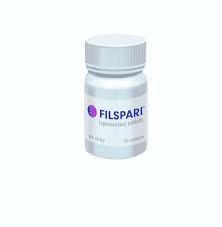
In addition to liver toxicity, long-term use of sparsentane may increase other health risks. For example, due to the mechanism of action of the drug, patients may experience adverse reactions such as hypotension and hyperkalemia. In addition, long-term medication may also affect the patient's gastrointestinal function, leading to symptoms such as nausea and vomiting.
Also, it's worth noting that sparsentine's interactions with certain medications may also increase health risks. For example, concomitant use with strong CYP3A inhibitors may reduce the efficacy of sparsentan, while concomitant use with drugs such as renin-angiotensin system inhibitors may increase the risk of adverse reactions such as hypotension.
In summary, although sparsentan provides a new treatment option for patients with kidney disease, various potential health risks still need to be paid close attention to during long-term use. In order to ensure patient safety, doctors will develop personalized treatment plans based on the patient's specific conditions, and regularly monitor and evaluate treatment effects and adverse reactions.
[ 免责声明 ] 本页面内容来自公开渠道(如FDA官网、Drugs官网、原研药厂官网等),仅供持有医疗专业资质的人员用于医学药学研究参考,不构成任何治疗建议或药品推荐。所涉药品可能未在中国大陆获批上市,不适用于中国境内销售和使用。如需治疗,请咨询正规医疗机构。本站不提供药品销售或代购服务。


