
.jpeg)
Explore the potential and current status of upadatinib in the treatment of vitiligo
Upadacitinib, as an inhibitor targeting JAK (Janus kinase), has attracted much attention in the medical community in recent years. It mainly inhibits the activity of the JAK1 pathway and effectively reduces the excessive response of the immune system, thereby showing significant efficacy in the treatment of immune diseases such as rheumatoid arthritis, atopic dermatitis and ulcerative colitis. As research deepens, scientists have begun to focus on its potential application in vitiligo, a chronic autoimmune skin disease.
Vitiligo, commonly known as"white spots", is a disease characterized by local or systemic depigmentation of the skin. Its pathogenesis is closely related to the immune system mistakenly attacking pigment cells (i.e. melanocytes). Given the mechanism of action of upadatinib in regulating the immune system, researchers naturally began to explore whether it could bring new therapeutic hope to patients with vitiligo.
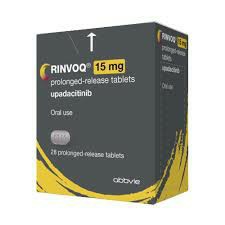
Although preliminary research results are encouraging and show some potential for upadatinib in promoting pigment recovery and reducing skin damage, it is still in the early stages of research. Although the existing small-scale clinical trials have shown some positive signals, due to the limited sample size, these results require larger-scale, rigorously designed randomized controlled trials to further verify its effectiveness and safety.
It is worth noting that upadatinib has not received widespread official approval for the treatment of vitiligo to date. In actual clinical applications, doctors usually consider it as an exploratory treatment option only when other conventional treatments are ineffective or inappropriate. At the same time, special attention should be paid to the possible side effects of upadatinib, including increased risk of infection, blood system abnormalities, etc., which are particularly important in the treatment of regulating the immune system.
Therefore, despite its promising potential in the treatment of vitiligo, upadatinib is currently not a standard treatment option. For the majority of patients with vitiligo, fully communicating with experienced professional doctors and choosing treatment methods that have been rigorously verified are the keys to ensuring treatment effectiveness and patient safety. In the future, with the accumulation of more high-quality research data, the role of upadatinib in the treatment of vitiligo may become clearer.
[ 免责声明 ] 本页面内容来自公开渠道(如FDA官网、Drugs官网、原研药厂官网等),仅供持有医疗专业资质的人员用于医学药学研究参考,不构成任何治疗建议或药品推荐。所涉药品可能未在中国大陆获批上市,不适用于中国境内销售和使用。如需治疗,请咨询正规医疗机构。本站不提供药品销售或代购服务。


