
.jpeg)
How long does upadatinib take to treat eczema?
Upadacitinib, as a highly effective JAK1 selective inhibitor, has been widely used to treat atopic dermatitis (eczema), an immune-related skin disease. It can effectively relieve itching, redness, swelling and skin damage in patients with eczema, and significantly improve the patient's quality of life. However, the specific course of treatment is not set in stone and needs to be flexibly adjusted based on the patient's individual condition, response to medications, and the doctor's treatment plan.
Generally speaking, the initial course of upadatinib treatment for eczema requires at least 8 to 12 weeks, that is, approximately 2 to 3 months. During this time, the doctor will closely monitor the patient's response to the medication and improvement in symptoms. According to clinical research results and treatment guidelines, most patients can experience significant relief of symptoms at this stage, such as reduction of itching and subsidence of skin inflammation. However, given the chronic and relapsing nature of atopic dermatitis, patients may still need to continue treatment after initial improvement to further control the condition and reduce the risk of symptom recurrence.
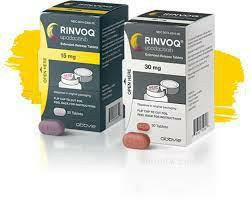
For patients with more severe or recurrent disease, doctors usually recommend continuing to use upadatinib for maintenance treatment after the initial course of treatment. The specific length of maintenance therapy varies depending on the condition and is intended to consolidate initial efficacy and reduce the possibility of disease recurrence. In this case, the patient may need to receive continuous treatment for 6 months or even longer to ensure stable control of the disease.
Of course, some patients have long-term stable disease control after completing several courses of treatment. At this point, your doctor may consider tapering the dose of upadacitinib or trying to stop the drug. However, this decision must be made under the guidance of a doctor, and changes in the condition need to be closely monitored to prevent the recurrence of symptoms. If the condition recurs after stopping the medication, treatment may need to be restarted to ensure effective control of the condition.
In addition, for patients with relatively mild disease, the treatment course of upadatinib may be relatively short. After symptoms are effectively controlled, doctors may recommend topical treatments or other non-systemic medications to maintain the stability of the condition, thereby reducing the potential risks of long-term medication.
[ 免责声明 ] 本页面内容来自公开渠道(如FDA官网、Drugs官网、原研药厂官网等),仅供持有医疗专业资质的人员用于医学药学研究参考,不构成任何治疗建议或药品推荐。所涉药品可能未在中国大陆获批上市,不适用于中国境内销售和使用。如需治疗,请咨询正规医疗机构。本站不提供药品销售或代购服务。


