
.jpeg)
What are the side effects and hazards of the lung cancer targeted drug crizotinib (crizotinib), and how to deal with it?
Crizotinib (crizotinib), as a lung cancer targeted drug, is mainly used to treat patients with anaplastic lymphoma kinase(ALK) or ROS1-positive non-small cell lung cancer. Although it is excellent at prolonging patient survival and improving quality of life, its use may also be accompanied by a series of side effects and hazards. Understanding and correctly handling these side effects is crucial to ensure the effectiveness of the treatment.
Common side effects of crizotinib include digestive system reactions, visual disturbances, cardiovascular system effects, etc. Digestive system reactions are mainly manifested as nausea, vomiting, diarrhea and constipation. These symptoms usually appear at the beginning of treatment and gradually reduce as the medication time is extended. For nausea and vomiting, patients can try to take the medicine with food to relieve symptoms, and use antiemetics as directed by their doctor if necessary. For diarrhea and constipation, dietary changes and the use of antidiarrheal medications or laxatives may help.
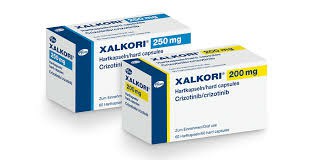
Visual impairment is another common side effect of crizotinib, including flashes, double images, blurred vision, etc. These symptoms usually appear within 2 weeks of starting treatment and gradually decrease over time. Patients should avoid driving or operating precision instruments while taking the medication to prevent accidents.
In terms of the cardiovascular system, crizotinib may causeQT interval prolongation and bradycardia. Therefore, patients need to regularly monitor their electrocardiogram and electrolyte levels during medication, and seek medical attention promptly if abnormalities occur.
In addition, crizotinib may cause side effects such as abnormal liver function, interstitial lung disease, edema, and fatigue. For abnormal liver function, patients should undergo regular liver examinations and use hepatoprotective drugs under the guidance of a doctor. For interstitial lung disease, once diagnosed, medication should be stopped immediately and medical treatment should be sought. For edema and fatigue, moderate rest and physical exercise may help relieve symptoms.
All in all, in order to deal with the side effects and hazards of crizotinib, patients should strictly follow the doctor's instructions during the medication, conduct regular examinations of relevant indicators, and promptly report any symptoms of discomfort to the doctor. The doctor will adjust the treatment plan according to the patient's specific situation to ensure treatment effectiveness and patient safety. Nowadays, crizotinib not only provides original drugs, but also more affordable imitations are available on the market. Patients should make decisions based on their individual needs, but be sure to make purchases through legal and formal channels.
[ 免责声明 ] 本页面内容来自公开渠道(如FDA官网、Drugs官网、原研药厂官网等),仅供持有医疗专业资质的人员用于医学药学研究参考,不构成任何治疗建议或药品推荐。所涉药品可能未在中国大陆获批上市,不适用于中国境内销售和使用。如需治疗,请咨询正规医疗机构。本站不提供药品销售或代购服务。


