
.jpeg)
Which generation of targeted drug is sotoracib?
Sotorasib is considered a first-generation KRAS G12C inhibitor and is a drug specifically designed to target KRAS G12C mutations. This mutation is a common genetic abnormality in patients with non-small cell lung cancer (NSCLC). Due to the special structure and activity control of the KRAS gene, developing drugs targeting KRAS mutations has long been a problem in cancer research. The advent of sotoracib breaks this deadlock, fills the gap in KRAS G12C targeted therapy, and brings effective treatments to patients with advanced lung cancer with KRAS G12C mutations.
Targeted drugs are usually divided into different "generations" based on their development history and mechanism of action, representing technological progress and target evolution. For example, early EGFR targeted drugs such as Iressa and Tarceva were regarded as first-generation EGFR inhibitors. Subsequently, second- and third-generation drugs were developed due to the problem of drug-resistant mutations. The KRAS targeting mechanism of sotoraxib makes it the "pioneer"in the field of KRAS inhibitors, so it is classified as the first generation KRAS G12Ctargeted drugs.
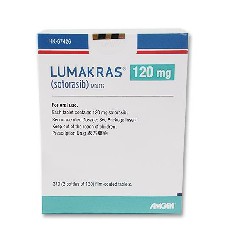
As the first approved KRAS G12C targeted drug, sotoraxib exhibits a unique mechanism of action. It blocks the growth and spread of cancer cells by directly inhibiting the KRAS G12C mutated protein, and has shown good efficacy in patients carrying this specific mutation. Clinical data show that sotoraxib not only prolonged the progression-free survival (PFS) of patients, but also significantly improved the response rate. Especially for patients who have relapsed after multiple lines of treatment, sotorasiib provides a new treatment option.
Under the leadership of Sottorasibu, more targetedTargeted drugs for KRAS G12C and other KRAS mutant subtypes are under development, and researchers are exploring second- and third-generation KRAS inhibitors to deal with possible drug resistance issues. In the future, with the application of sotoracib and the development of subsequent drugs, KRAS targeted therapy is expected to continue to advance and bring long-term benefits to more cancer patients carrying KRAS mutations.
[ 免责声明 ] 本页面内容来自公开渠道(如FDA官网、Drugs官网、原研药厂官网等),仅供持有医疗专业资质的人员用于医学药学研究参考,不构成任何治疗建议或药品推荐。所涉药品可能未在中国大陆获批上市,不适用于中国境内销售和使用。如需治疗,请咨询正规医疗机构。本站不提供药品销售或代购服务。


