
.jpeg)
Which one is more effective, pirfenidone/Axri or nintedanib? what's the difference
Pirfenidone/Pirfenidone and nintedanib are effectively used to treat idiopathic pulmonary fibrosis (IPF) worldwide. Both drugs have shown the ability to delay the onset of decline in forced vital capacity (FVC) and lung function. Although the cause of IPF is unknown, this study shows that there are many factors to consider when treating this disease. These factors include the patient's comorbidities, age, and ability to tolerate the side effects of treatment.
Clinical trials conducted around the world have shown that the use of both drugs improves the overall treatment of IPF disease regardless of age, gender and race. There are few differences in the efficacy of nitannib and pirfenidone, other than the side effects experienced by patients taking each drug separately. Both drugs are safe and well-tolerated in the treatment of IPF. However, there are currently no treatments for already damaged lungs that worsen over time.
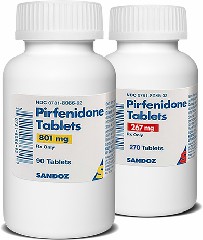
Pirfenidone is an anti-fibrotic drug. The exact mechanism of action is still uncertain. Its main effect is to slow down the process of fibrosis by inhibiting the proliferation of fibroblasts and the deposition of collagen. However, it is believed to have antioxidant, anti-inflammatory, and anti-fibrotic properties; it can inhibit the growth of fibroblasts, their conversion to myofibroblasts, and collagen production, thereby showing some anti-fibrotic effects. It was observed that at follow-up after 52 weeks, patients treated with pirfenidone showed more than 10% reduction in FVC compared with those treated with placebo. Even in the event of treatment-emergent adverse events (TEAEs), treatment discontinuation rates were low.
Relatively speaking, nintedanib is a multi-target kinase inhibitor that works by inhibiting the kinase ability of growth factor receptors such as vascular endothelial growth factor (VEGF), platelet-derived growth factor (PDGF) and fibroblast growth factor (FGFR). It prevents fibroblast and myofibroblast activation, which would otherwise lead to an excess of extracellular matrix proteins and fibrotic scar tissue. By inhibiting these signaling pathways, nintedanib can effectively slow down the activation and migration of fibroblasts, thereby inhibiting the progression of pulmonary fibrosis. Nintedanib has also shown a protective effect on lung function in clinical trials and can significantly reduce the decline of lung function.
In terms of side effects, common side effects of pirfenidone include rash, diarrhea, nausea, and loss of appetite. These side effects are usually mild to moderate, and some patients may need to adjust the dose to improve tolerance. The side effects of nintedanib also include diarrhea, nausea, vomiting, etc., but the incidence of diarrhea is relatively high, and patients need to be closely monitored and take corresponding measures when using it.
In summary, pirfenidone and nintedanib each have their own unique mechanisms of action and clinical effects. The choice of which drug is the best requires an individualized decision based on the patient's specific condition, treatment response, and tolerance of side effects. Both the doctor's professional judgment and the patient's feedback play an important role in the treatment process.
[ 免责声明 ] 本页面内容来自公开渠道(如FDA官网、Drugs官网、原研药厂官网等),仅供持有医疗专业资质的人员用于医学药学研究参考,不构成任何治疗建议或药品推荐。所涉药品可能未在中国大陆获批上市,不适用于中国境内销售和使用。如需治疗,请咨询正规医疗机构。本站不提供药品销售或代购服务。


