
.jpeg)
Practical guide for the treatment of patients with ALK or ROS1-positive lung cancer with crizotinib
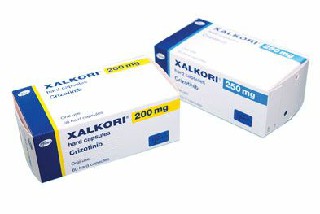
Crizotinib, trade name: Xalkori, is an important targeted drug forALK-positive or ROS1-positive non-small cell lung cancer (NSCLC). It blocks tumor growth by inhibiting the activity of specific tyrosine kinase receptors. This guide provides concise and clear dosing recommendations for patients who are using or planning to use this medicine.
1. Applicable patients
Crizotinib is mainly suitable for patients with non-small cell lung cancer who are ALK-positive or ROS1-positive and have been confirmed by a CFDA-approved test, especially those whose disease has entered the locally advanced stage or metastasized. Before use, the patient's genotype must be clarified to ensure the therapeutic effect of the drug.
2. Medication suggestions
1. Regular dosage: take the medicine twice a day, 250mg each time, by oral administration.
2. Time to take the medicine: It is recommended to take it after breakfast. At this time, the acidity of the stomach is moderate, which is conducive to drug absorption. However, please follow your doctor’s instructions for the specific taking time.
3. How to take the medicine: Swallow the capsule whole and do not open, grind or chew it. Can be taken with or without food, but avoid taking it with grapefruit and its juice.
3. Precautions for use
1. Regular monitoring: Patients should regularly check liver and kidney function, blood routine and electrocardiogram to ensure the safety of medication.
2. Avoid drug interactions: Do not use it simultaneously withstrong inhibitors or inducers of CYP3A to avoid affecting the effect of crizotinib or increasing side effects.
3. Special patient groups: Patients with impaired liver function may need to adjust the dose, and patients with severe renal impairment also need to be cautious and may need to adjust the dose.
4. Pregnant and lactating women: Pregnant women should not use this drug. Lactating women should stop breastfeeding within 45 days of taking the drug and after stopping the drug.
4. Possible side effects and responses
Side effects such as vision problems, nausea, vomiting, diarrhea, and skin rash may occur with crizotinib. If these symptoms occur, please inform your doctor promptly so that you can receive appropriate treatment.
5. Dose adjustment and discontinuation guidance
If the patient cannot tolerate the regular dose, the dose can be gradually reduced according to the doctor's advice. If it is still intolerable after reduction, discontinuation of the drug may need to be considered. Any dosage adjustment or discontinuation should be done under the guidance of a physician to avoid worsening of the condition.
6. Price and medical insurance information
Currently, crizotinib is sold in different specifications in my country, and its price is usually relatively expensive. Please contact your local pharmacy for details. However, patients can use medical insurance for reimbursement, and the reimbursement ratio varies by region. In addition, generic versions of the drug are also available in overseas markets, which are relatively more affordable.
In summary, crizotinib offers new treatment opportunities for patients with certain types of lung cancer. However, in order to ensure its effectiveness and safety, patients must strictly follow the doctor's instructions and monitor their physical condition regularly. With proper medication and management, patients can expect better treatment results and quality of life.
[ 免责声明 ] 本页面内容来自公开渠道(如FDA官网、Drugs官网、原研药厂官网等),仅供持有医疗专业资质的人员用于医学药学研究参考,不构成任何治疗建议或药品推荐。所涉药品可能未在中国大陆获批上市,不适用于中国境内销售和使用。如需治疗,请咨询正规医疗机构。本站不提供药品销售或代购服务。


