
.jpeg)
None
Vigabatrin is a drug used to treat refractory epilepsy, especially infantile spasms (West syndrome). The condition usually appears within a few months of birth and is characterized by brief muscle twitching and loss of consciousness. The use of Vigabatrin provides an effective pharmaceutical option for the treatment of this condition. The following is a detailed introduction to the cure rate and related information of Vigabatrin in the treatment of infantile spasms.
Overview of Infantile Spasms
Infantile spasms is a severe type of epilepsy that is usually diagnosed in babies 6 months old. The disorder is characterized by seizures of the type "convulsive twitches" typically manifesting as sudden body muscle contractions or twitches that may be accompanied by developmental delays and cognitive impairment. Without prompt intervention, infantile spasms can lead to long-term neurodevelopmental problems. Therefore, early and effective treatment is crucial to improve patient prognosis.
Mechanism of action of Vigabatrin
Vigabatrin increases the concentration of GABA in the brain by inhibiting γ-aminobutyric acid (GABA) aminotransferase. GABA is a major inhibitory neurotransmitter that reduces neuronal overexcitability and thereby controls epileptic seizures. Due to its unique mechanism, Vigabatrin is effective in reducing the frequency of seizures in patients with infantile spasms.
Clinical Research and Cure Rate
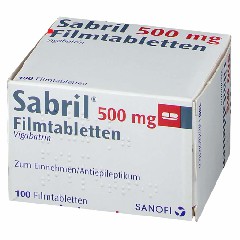
According to multiple clinical studies, Vigabatrin has shown good efficacy in the treatment of infantile spasms. Here are some relevant research results:
1.Seizure control: In clinical trials using Vigabatrin, many patients experienced significant reductions in seizure frequency after taking the drug. Research shows that approximately 30% to 40%of patients on Vigabatrin were able to achieve complete remission, meaning no seizures during treatment.
2.Partial remission: In addition to patients with complete remission, there are many patients who have greatly reduced the frequency of attacks after using Vigabatrin and can control them to a few times a week or a month. The quality of life of these patients improved significantly, and although not completely cured, the effects of treatment were still significant.
3.Long-term effects: Some studies have also pointed out that some patients who have used Vigabatrin for a long time can maintain their epileptic seizures at a low level after stopping the drug, indicating that the drug may have a certain lasting effect.
Personalization of treatment plans
It needs to be emphasized that the therapeutic effect of Vigabatrin varies between individuals. Each patient's condition, seizure type, and other health conditions may affect their response to treatment. Doctors usually adjust the dosage or combine it with other anti-epileptic drugs based on the patient's specific conditions to achieve the best effect.
Side effects and risks
Although Vigabatrin has shown good efficacy in treating infantile spasms, long-term use may be associated with some side effects. The most common side effects include drowsiness, fatigue, and visual field loss. Visual field loss, in particular, may have long-term effects on the patient's life. Therefore, doctors typically monitor the patient's vision and overall health regularly during treatment.
Vibatrin, an effective drug for the treatment of infantile spasms, has shown good cure rates and seizure control effects. Through early intervention and individualized treatment, many patients are able to significantly improve their epileptic seizures after taking Vigabatrin. Despite the risk of side effects, under the guidance of professional doctors, Vigabatrin offers many infantile spasms patients new hope and helps them improve their quality of life. Overall, the use of Vigabatrin in the treatment of infantile spasms provides an effective treatment option for this group of patients.
[ 免责声明 ] 本页面内容来自公开渠道(如FDA官网、Drugs官网、原研药厂官网等),仅供持有医疗专业资质的人员用于医学药学研究参考,不构成任何治疗建议或药品推荐。所涉药品可能未在中国大陆获批上市,不适用于中国境内销售和使用。如需治疗,请咨询正规医疗机构。本站不提供药品销售或代购服务。


