
.jpeg)
What is the difference between dasatinib and imatinib?
Dasatinib is a highly effective anti-tumor drug, mainly used to treat patients with Philadelphia chromosome-positive (Ph+) chronic myelogenous leukemia (CML) who are resistant or intolerant to imatinib mesylate. CML is a clonal disease originating from bone marrow hematopoietic stem cells and is characterized by the formation of the BCR-ABL fusion gene, leading to uncontrolled cell proliferation. Dasatinib effectively controls the progression of CML by inhibiting ABL kinase activity and blocking the abnormal function of BCR-ABL protein.
Compared with imatinib, dasatinib has some differences in its mechanism of action, indications and efficacy. First of all, from the perspective of their mechanism of action, dasatinib and imatinib are both tyrosine kinase inhibitors, but dasatinib has a wider range of targets. In addition to Bcr-Abl tyrosine kinase, it also includes multiple kinases such as the SRC kinase family, c-KIT, EPHA2, and PDGFR-B. This makes dasatinib potentially more effective at inhibiting leukemia cell proliferation and survival.
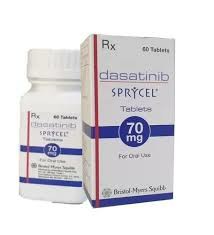
In terms of indications, imatinib is mainly used to treat Philadelphia chromosome-positive chronic myelogenous leukemia, Ph chromosome-positive acute lymphoblastic leukemia in children, relapsed and refractory adult patients, and adult patients with unresectable and/or metastatic malignant gastrointestinal stromal tumors (GIST). In addition to being suitable for CML patients who are resistant or intolerant to imatinib, dasatinib can also be used to treat Philadelphia chromosome-positive acute lymphoblastic leukemia, myelodysplastic syndrome, systemic mastocytosis, hypereosinophilic syndrome and other diseases.
In terms of efficacy, studies suggest dasatinib may be superior to imatinib in certain circumstances. For example, in children with Philadelphia chromosome-positive acute lymphoblastic leukemia (Ph+ ALL), dasatinib is more effective than imatinib, and treatment with dasatinib can provide good control of central nervous system leukemia without the need for cranial radiation therapy. In addition, dasatinib also showed superior efficacy than imatinib in patients with newly treated CML.
However, it should be noted that both dasatinib and imatinib may cause some side effects, such as bone marrow suppression, gastrointestinal reactions, etc. When patients choose which drug to use, they should comprehensively consider factors such as their condition, drug efficacy, and side effects, and make decisions under the guidance of a doctor.
[ 免责声明 ] 本页面内容来自公开渠道(如FDA官网、Drugs官网、原研药厂官网等),仅供持有医疗专业资质的人员用于医学药学研究参考,不构成任何治疗建议或药品推荐。所涉药品可能未在中国大陆获批上市,不适用于中国境内销售和使用。如需治疗,请咨询正规医疗机构。本站不提供药品销售或代购服务。


