
.jpeg)
Cabergoline side effects on liver and kidneys
Cabergoline, as a long-acting dopamine receptor agonist, is widely used in the treatment of Parkinson's disease, hyperprolactinemia and other diseases. However, like other drugs, cabergoline may also cause some side effects during use, especially the impact on the liver and kidneys that cannot be ignored.
The liver plays an important role in the metabolism of cabergoline in the body. Drugs are transformed and excreted by the liver, which may cause a certain burden on liver cells. Long-term use of cabergoline in large doses will increase the metabolic pressure on the liver and may lead to damage to liver function. This injury usually manifests as abnormalities in biochemical indicators such as elevated transaminases, and in severe cases may even lead to drug-induced hepatitis.
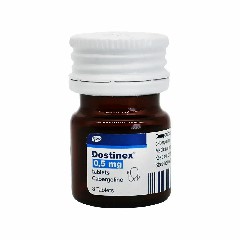
In addition, cabergoline may further increase the burden on the liver by affecting the hemodynamics of the liver. Some studies have shown that cabergoline may cause an increase in hepatic vascular resistance, thereby reducing hepatic blood flow and adversely affecting liver function.
The kidneys are one of the main pathways for drug excretion. Cabergoline and its metabolites are excreted through the kidneys, so they may cause some damage to the kidneys during use. Especially when the dose of the drug is too high or the drug is used for too long, the burden on the kidneys will be significantly increased, which may lead to a decline in kidney function.
Cabergoline's side effects on the kidneys include the possibility of causing tubular damage. Renal tubules are an important part of the kidney and are responsible for reabsorption and excretion functions. Cabergoline and its metabolites may be deposited in the renal tubules, causing damage to the renal tubular epithelial cells, thereby affecting the normal function of the kidneys.
The side effects of cabergoline on the liver and kidneys cannot be ignored. During use, patients should pay close attention to their physical condition and regularly monitor liver and kidney function indicators. At the same time, doctors should also adjust drug dosage and usage time according to the patient's specific conditions to reduce the occurrence of adverse reactions.
[ 免责声明 ] 本页面内容来自公开渠道(如FDA官网、Drugs官网、原研药厂官网等),仅供持有医疗专业资质的人员用于医学药学研究参考,不构成任何治疗建议或药品推荐。所涉药品可能未在中国大陆获批上市,不适用于中国境内销售和使用。如需治疗,请咨询正规医疗机构。本站不提供药品销售或代购服务。


