
.jpeg)
How effective has cabergoline been evaluated in treating elevated prolactin levels?
Prolactin, as a polypeptide hormone secreted by the anterior pituitary gland, plays an important role in the human body. However, when prolactin levels rise abnormally, it can lead to a range of health problems, especially for men, such as low libido, interference with gonad function, lactation and breast development, etc.
Cabergoline mainly acts on dopamineD2 receptors, simulating the effects of dopamine, thereby effectively inhibiting the secretion of prolactin. This drug is highly specific, with strong affinity for dopamine D2 receptors and lower affinity for other receptor types such as 5-hydroxytryptamine and 5-HT2-serotonin receptors. This allows cabergoline to work precisely when regulating prolactin levels, avoiding unnecessary interference with other hormonal systems.
Multiple clinical studies have shown that cabergoline is effective in treating elevated prolactin levels. In a retrospective cohort study of postpartum women, researchers found that women treated with cabergoline experienced significant reductions in both systolic and diastolic blood pressure and no significant changes in heart rate within 24 hours of administration. This result not only confirms the effectiveness of cabergoline in reducing blood pressure in postpartum women, but also shows that it has a small impact on heart rate and has a high safety profile.
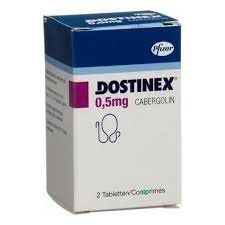
In addition, in another study comparing cabergoline and mocriptine in the treatment of hyperprolactinemia, researchers found that patients in the cabergoline group had more significant improvement in clinical symptoms after taking the drug for 3 months. This further supports the advantages of cabergoline in the treatment of hyperprolactinemia. At the same time, cabergoline also showed good tolerability, and most patients were able to successfully complete the treatment course.
In addition to being used alone, cabergoline can also be used in combination with other drugs to further enhance the therapeutic effect. For example, in a study of women with hyperprolactinemic infertility, researchers used cabergoline plus letrozole. The results showed that the prolactin levels of patients in the combination treatment group were significantly reduced, while serum follicular estrogen (FSH), estradiol (E2) and luteinizing hormone (LH) levels were significantly increased. More importantly, the pregnancy rate of patients in the combination treatment group was significantly higher than that of the control group, indicating that the combined application of cabergoline and letrozole has potential advantages in improving the pregnancy rate of infertile patients.
Although cabergoline has shown significant clinical efficacy in treating elevated prolactin levels, its safety and side effects still require attention. Common side effects include headache, nausea, vomiting, etc., but most symptoms are mild and may gradually reduce as treatment progresses. However, long-term use of cabergoline may increase the risk of valvular heart disease, so patients should have regular cardiac function tests during use.
In summary, cabergoline has shown significant clinical effects in the treatment of elevated prolactin levels. Whether used alone or in combination with other drugs, it can effectively reduce prolactin levels and improve related symptoms. However, when using cabergoline, patients still need to pay attention to its safety and side effects, and follow the doctor's instructions for rational use.
[ 免责声明 ] 本页面内容来自公开渠道(如FDA官网、Drugs官网、原研药厂官网等),仅供持有医疗专业资质的人员用于医学药学研究参考,不构成任何治疗建议或药品推荐。所涉药品可能未在中国大陆获批上市,不适用于中国境内销售和使用。如需治疗,请咨询正规医疗机构。本站不提供药品销售或代购服务。


