
.jpeg)
Is Vigabatrin a commonly used anti-epileptic drug?
Vigabatrin is a specialized anti-epileptic drug for refractory epilepsy, but it is not the first-line or routine drug for epilepsy. As a γ-aminobutyric acid (GABA) analogue, Vigabatrin increases the concentration of GABA in the brain by inhibiting GABA transaminase, thereby inhibiting abnormal neuron discharge. Due to the unique nature of this mechanism, it has shown efficacy in the treatment of complex partial epilepsy and infantile spasms such as West syndrome, particularly when other antiepileptic drugs are ineffective.
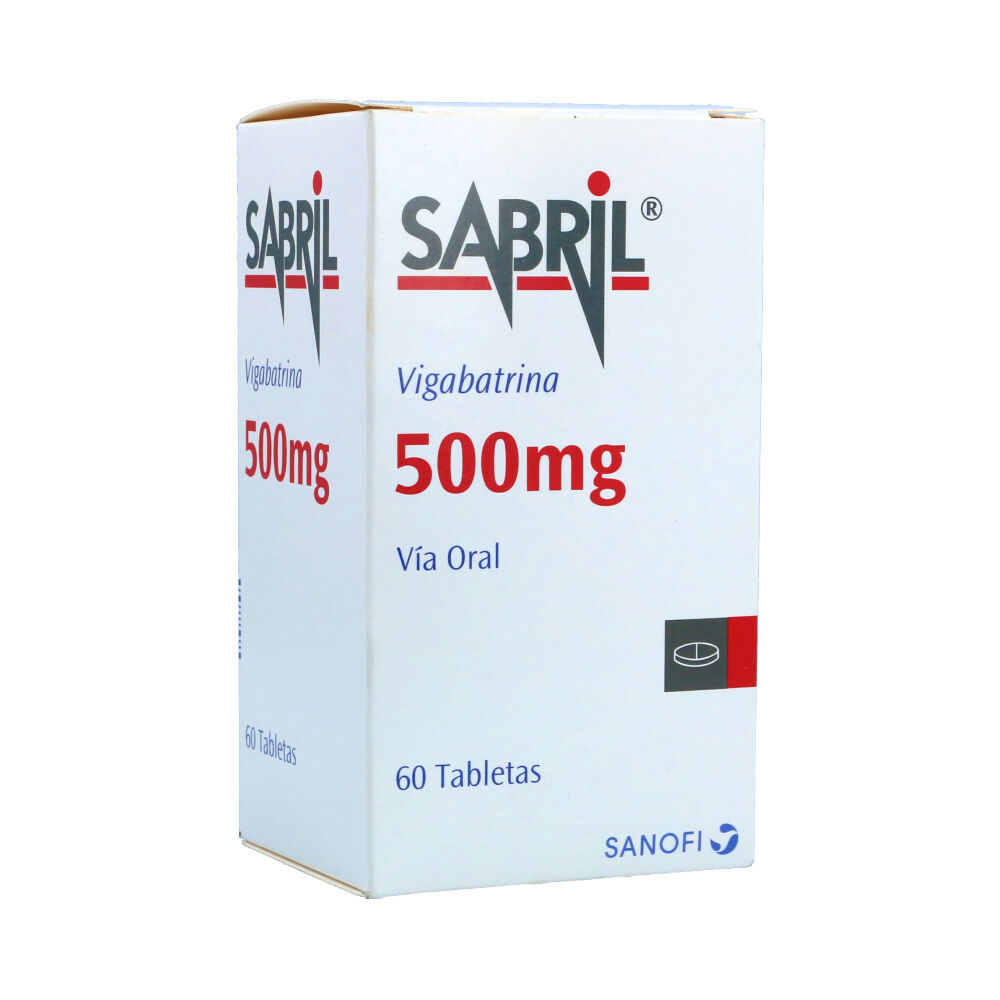
Vibatrin is usually used as second-line or third-line treatment for refractory epilepsy, especially in cases where other drugs are not ideally controlled. However, Vigabatrin is not a conventional drug of choice for patients with epilepsy, mainly due to its significant side effects, especially its potential impact on vision. Long-term use of Vigabatrin may cause visual field defects and even permanent visual impairment. This risk is more common in adults and may occur in some children. Therefore, doctors will be very cautious when prescribing Vigabatrin, usually only when other anti-epileptic drugs are ineffective, and patients need to undergo regular vision examinations while taking it.
In addition, the drugs of choice in anti-epileptic treatment usually include sodium valproate, carbamazepine, phenytoin, etc. These drugs have become routine clinical drugs due to their long history of use and good safety profile. Due to its potential vision risks, Vigabatrin is generally not used as an alternative to these commonly used medications unless the patient's seizure pattern is particularly suitable for Vigabatrin's mechanism of action.
In summary, although vigabatrin is effective in treating some refractory epilepsy, it is not the first or commonly used antiepileptic drug. Doctors will decide whether to use Vigabatrin based on the patient's specific condition, severity of illness, and response to other medications. During use, it is necessary to pay close attention to the patient's vision changes to ensure the safety of the medication.
[ 免责声明 ] 本页面内容来自公开渠道(如FDA官网、Drugs官网、原研药厂官网等),仅供持有医疗专业资质的人员用于医学药学研究参考,不构成任何治疗建议或药品推荐。所涉药品可能未在中国大陆获批上市,不适用于中国境内销售和使用。如需治疗,请咨询正规医疗机构。本站不提供药品销售或代购服务。


